Classroom RE
Curriculum Overview
Religious Education is at the core of our school. We follow a religious education programme which aims to strengthen our Catholic faith. The primary purpose of Catholic Education is the step by step study of the mystery of Christ, the teaching of the Church and its application in daily life, therefore the principal aims of the school in terms of the Religious Education which it provides are:
- To lead the children to a deepening knowledge and understanding of our Catholic Faith.
- To provide opportunities for the children to develop a loving relationship with God and their neighbours.
- To encourage children to respect and be fully aware of the needs of others as equal members of God’s creation.
The Dr Margaret Carswell Framework Model, which is taught in a three year cycle and which links to the liturgical year, is used to deliver the RE curriculum. The content of this Model offers a systematic programme of study which comprehensively covers all the strands and requirements of the Curriculum Directory. Each topic plan sets out the areas taught from Revelation, Church, Celebration and Life in Christ ensuring progression and depth of provision.
Other Faiths As part of our Religious Education programme the children are taught about other faiths, we study Hinduism, Judaism and Islam. Once a term begins with a weeklong study, where the children are taught about different faiths.
The teaching about other religions is important because:
- Learning about other religions and cultures is one of the ways in which we fulfil our call to love our neighbour. As the Church says, “The love for all men and women is necessarily also a love for their culture. Catholic schools are, by their very vocation, intercultural.” (Congregation for Catholic Education p61).
- The Church states that schools “try to understand better the religion of one’s neighbours, and to experience something of their religious life and culture.” (Catholic Bishops’ Conference p3).
- The Church suggests that schools “find ways in which pupils can learn to engage in dialogue and to develop an attitude of respect for religious diversity. This will necessitate the inclusion of a broader study of both Christianity and of other world faiths in the Religious Education syllabus.” (Bishop’s Conference of England and Wales, 1997)
- It prepares our children for life in modern Britain, giving them an understanding of the beliefs of others.
RE Curriculum Map
kip_parents_letter_creation_and_covenant
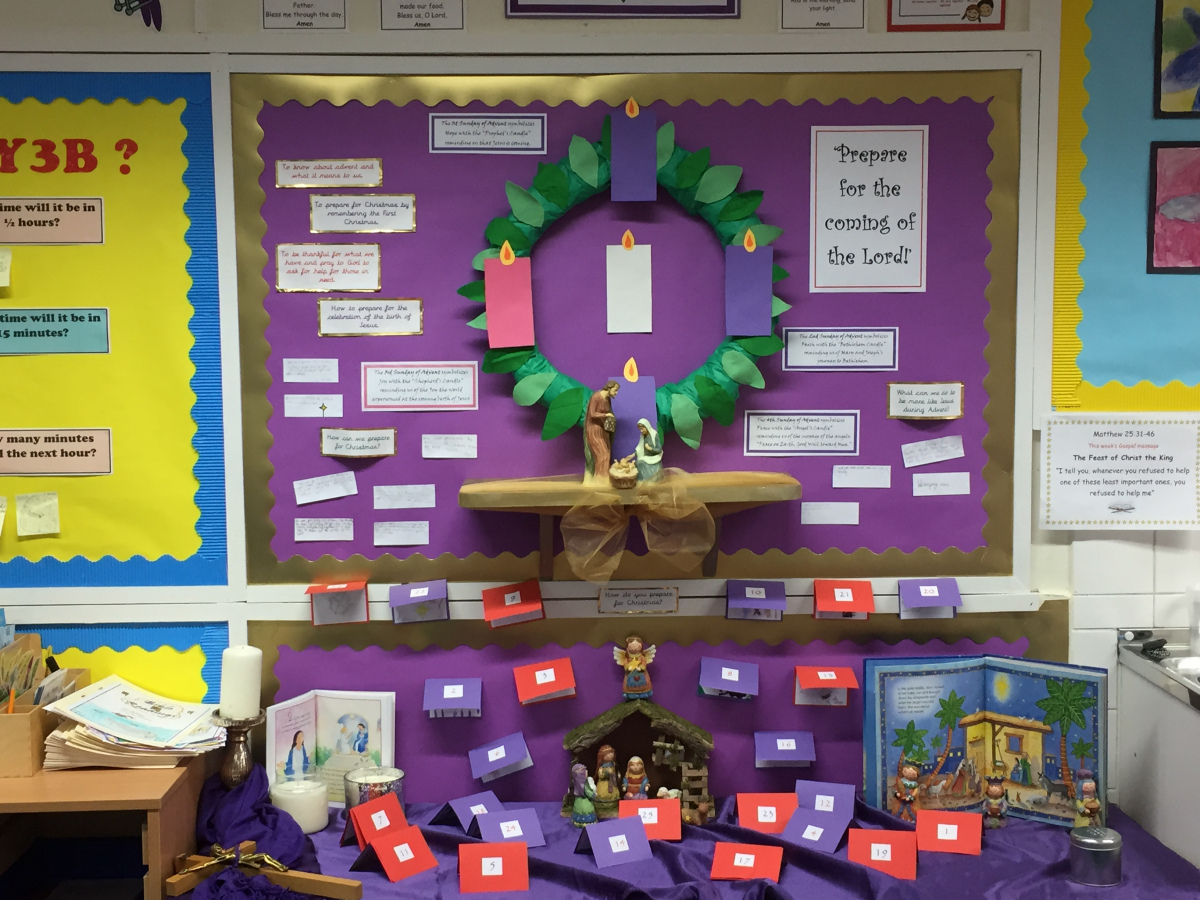
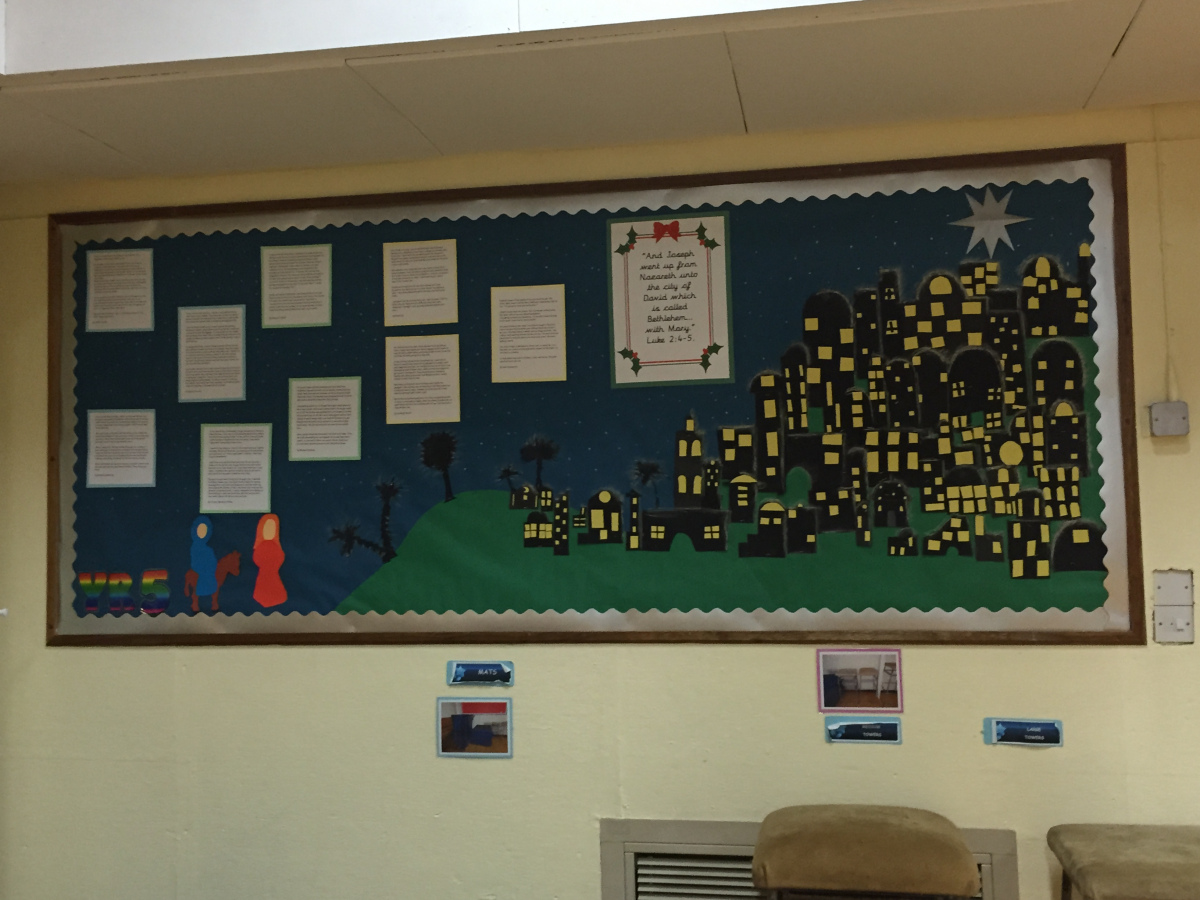
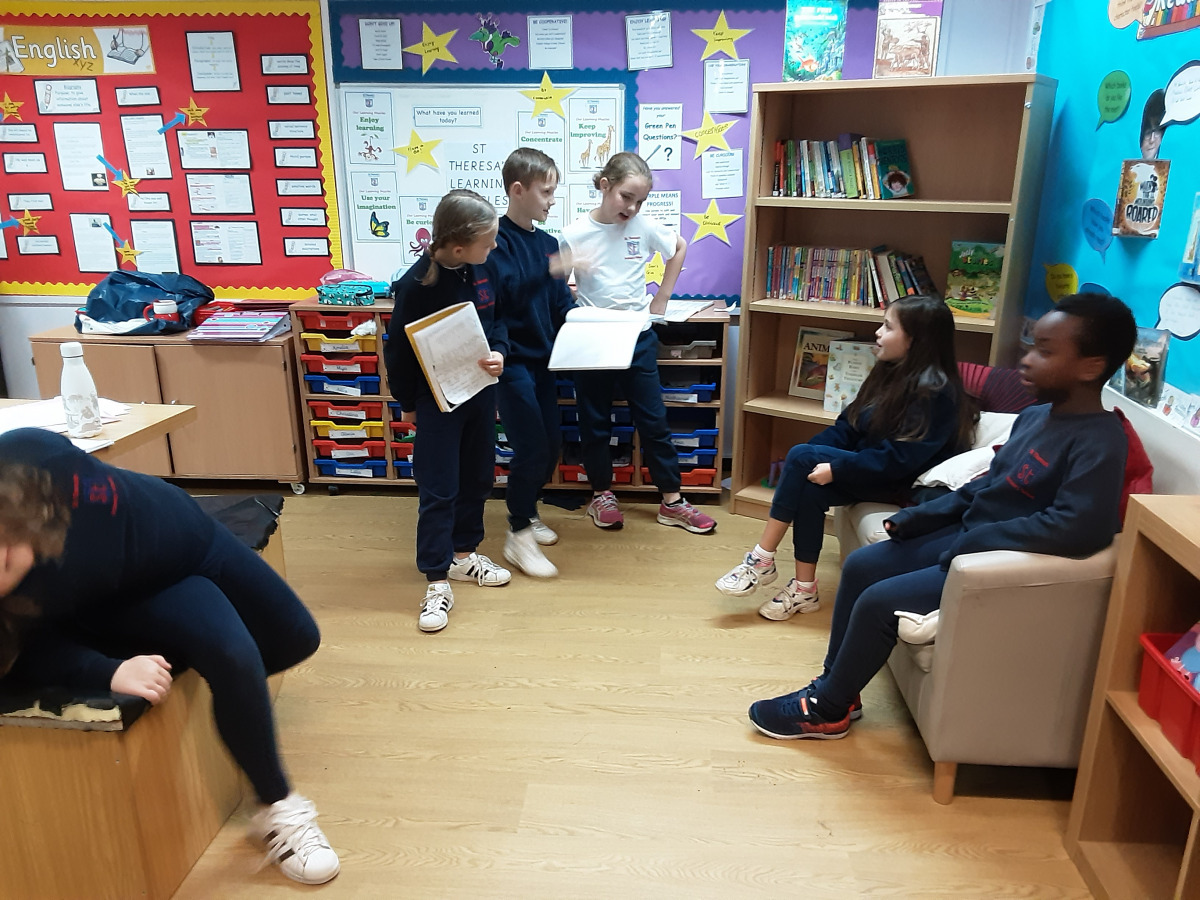
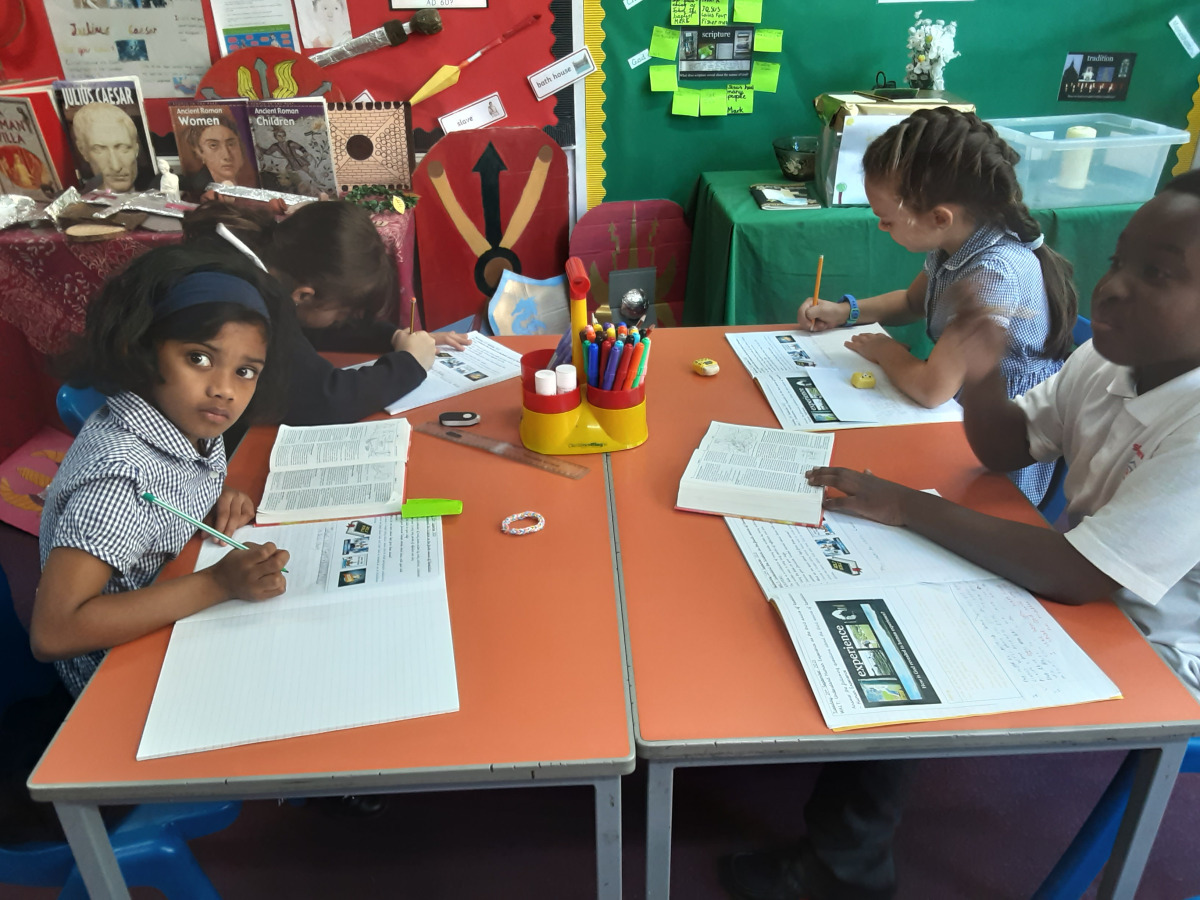
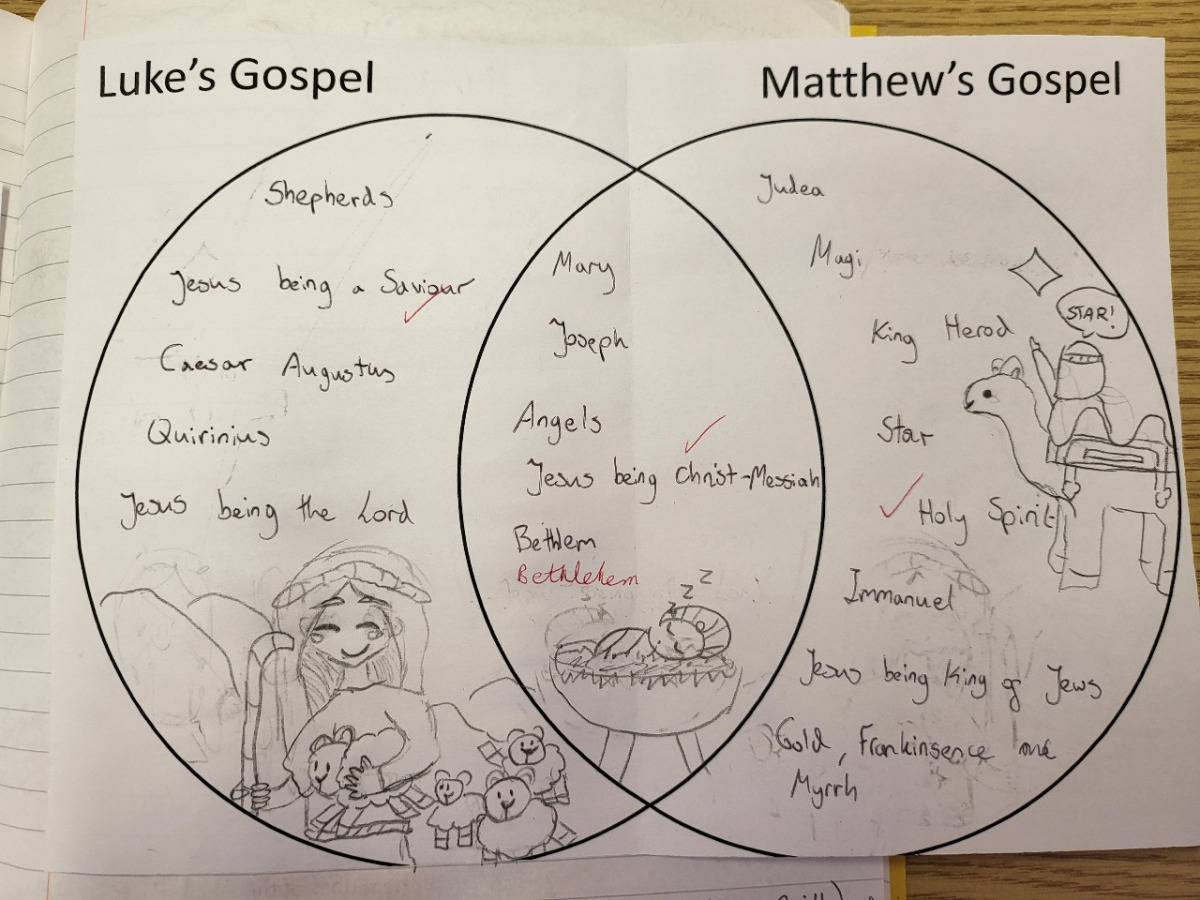
Classroom R.E


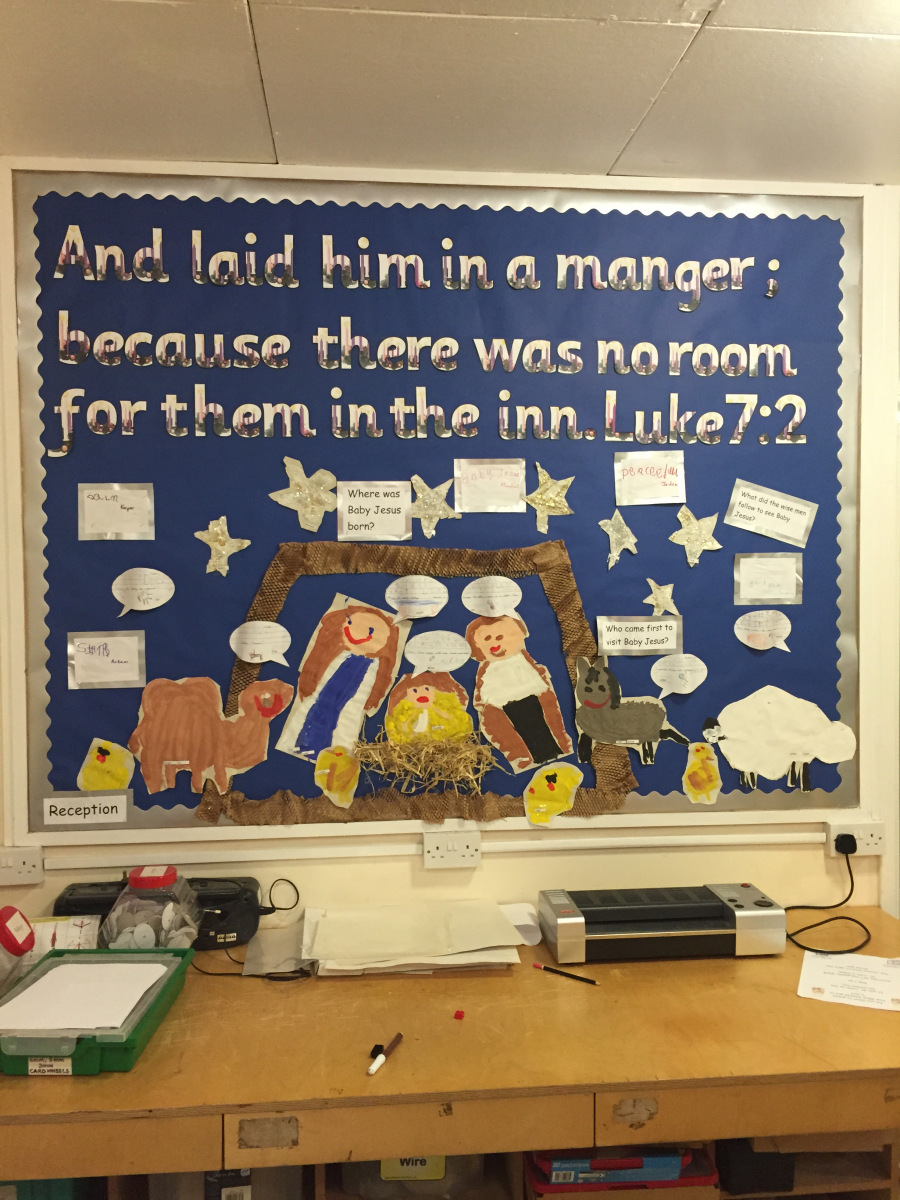
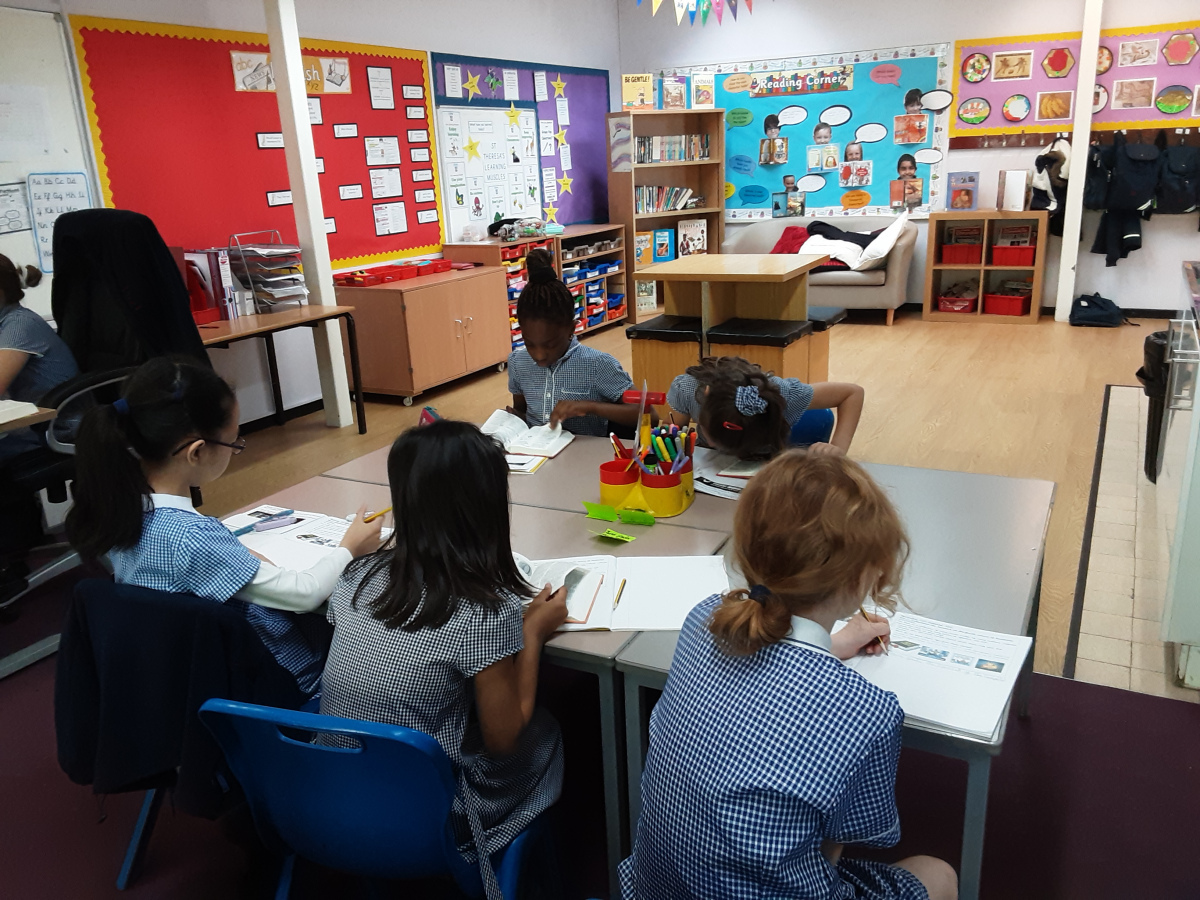
Year 6

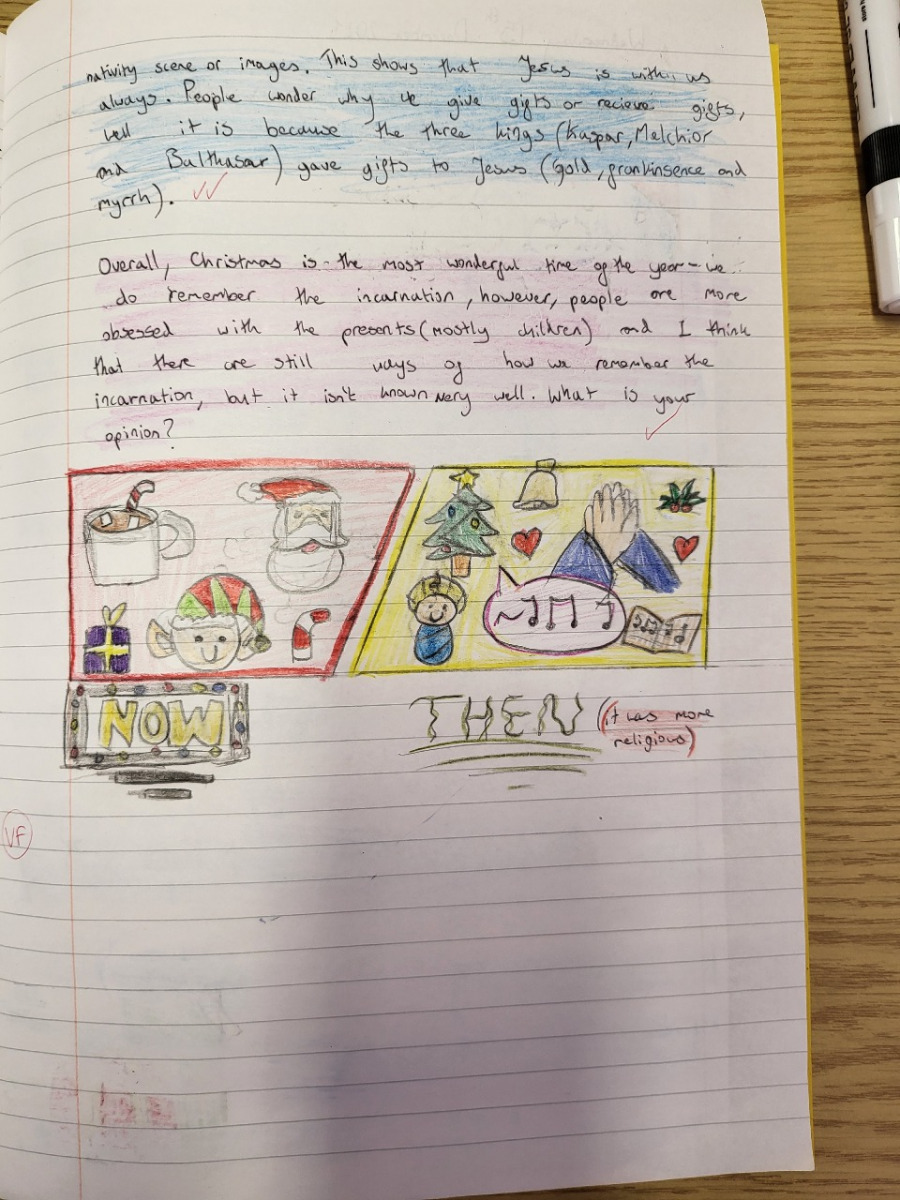

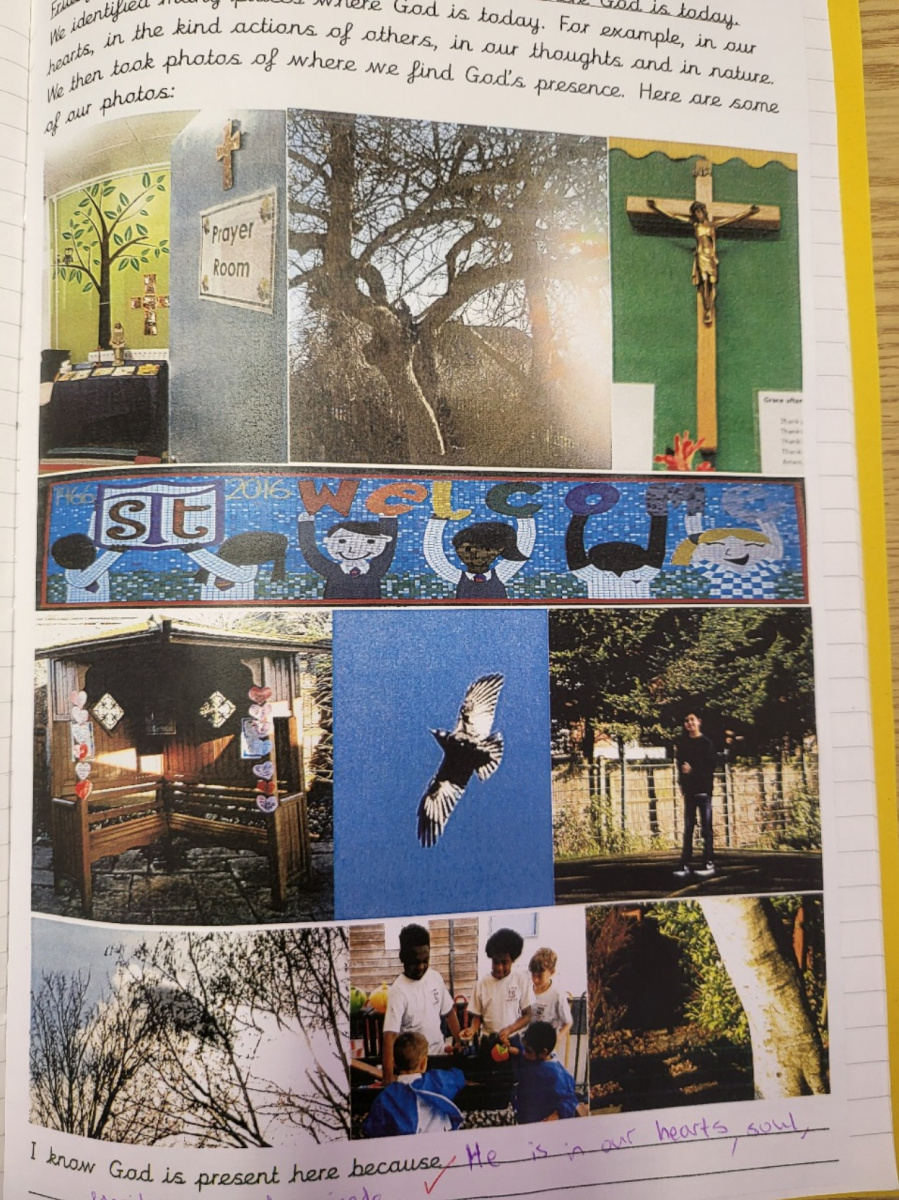


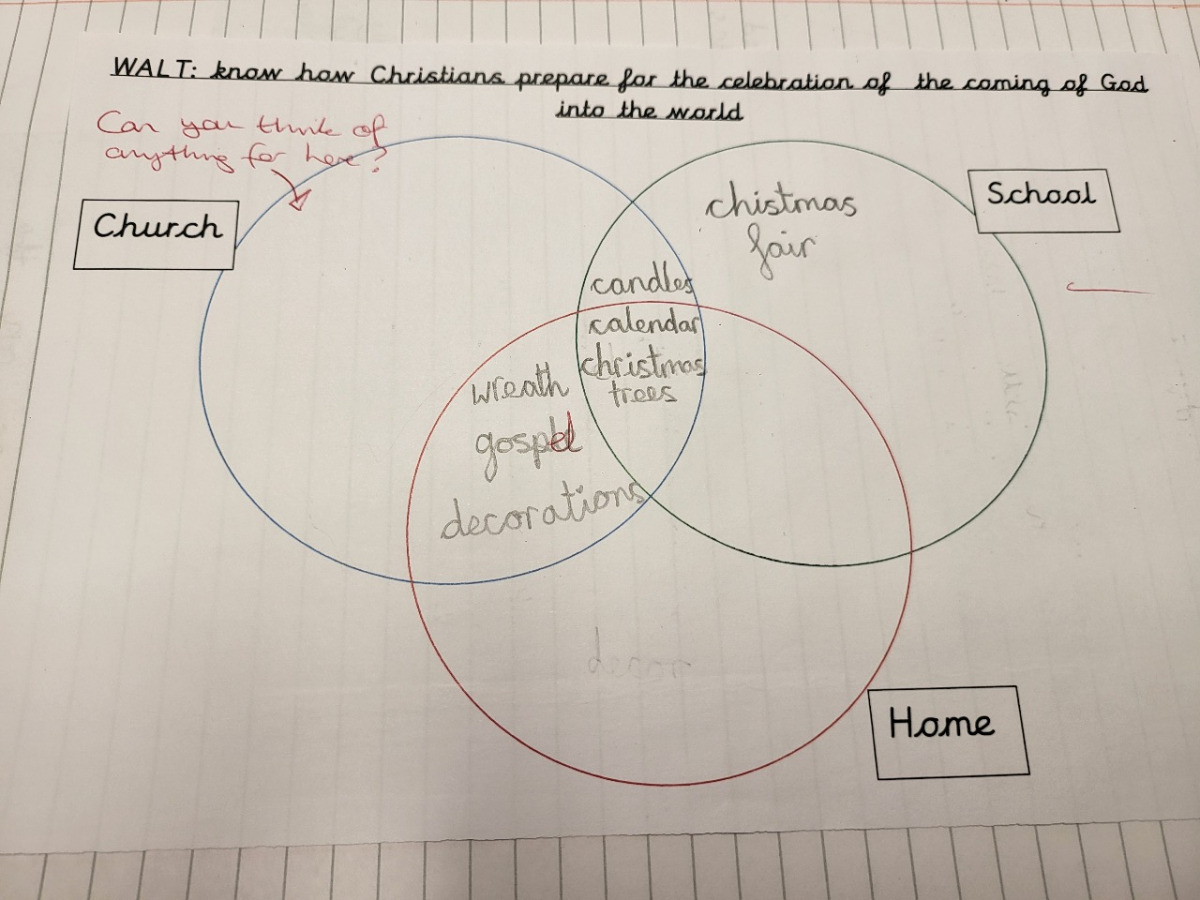
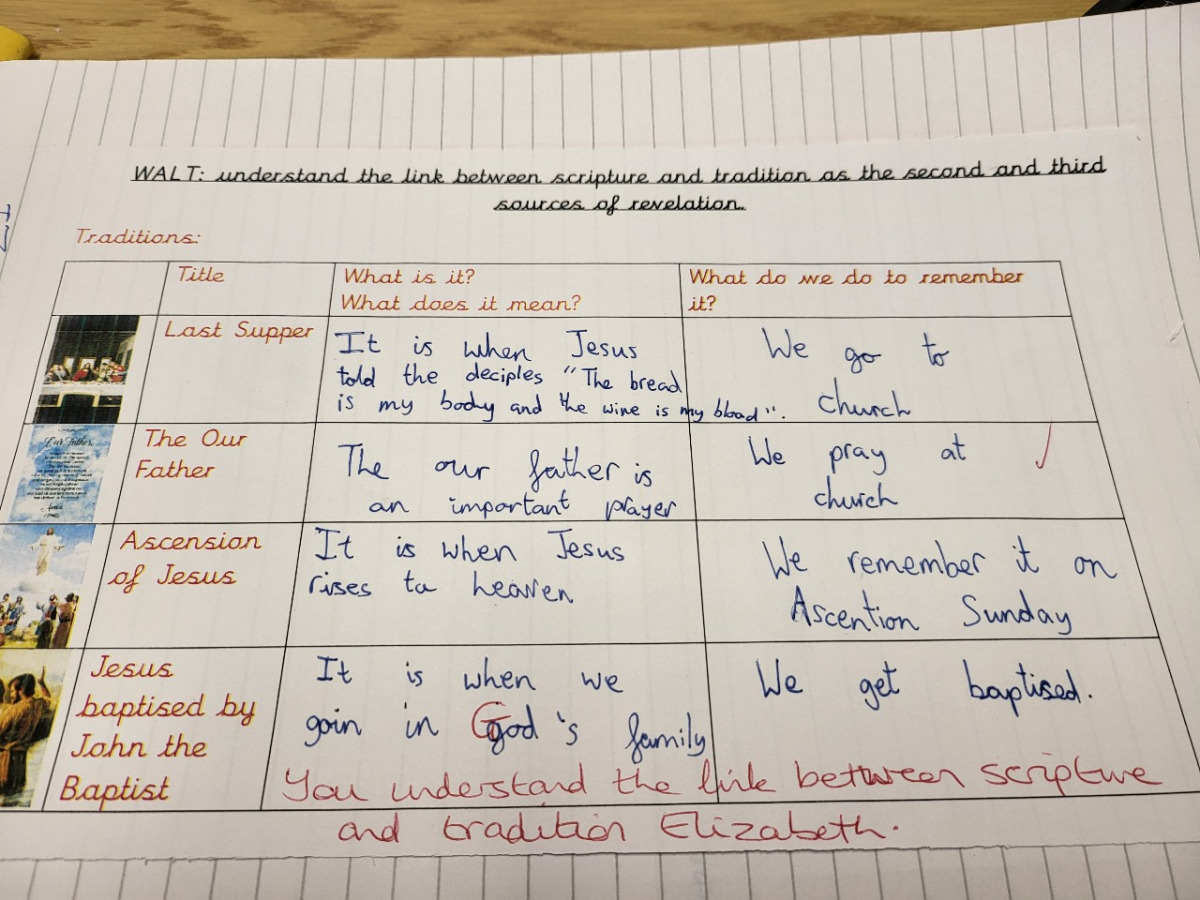
Year 5
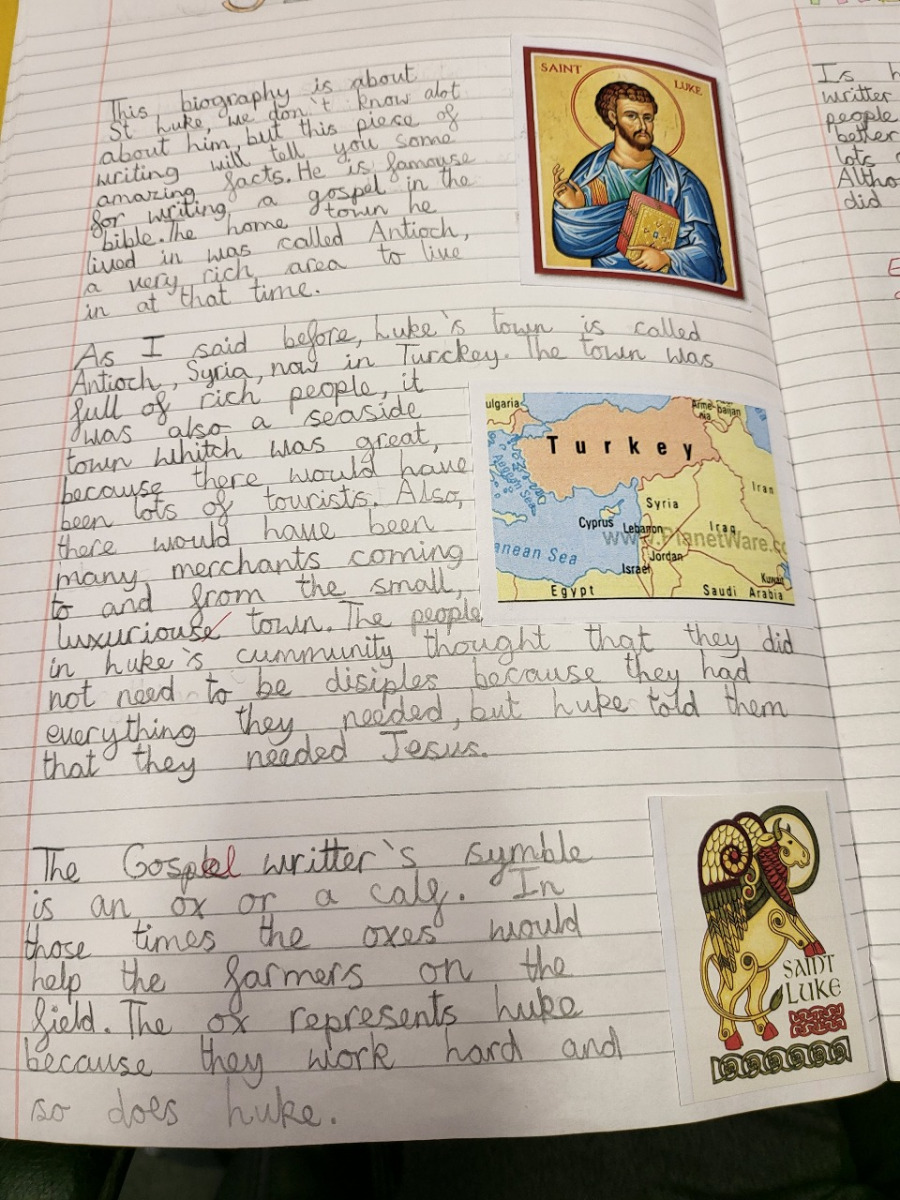
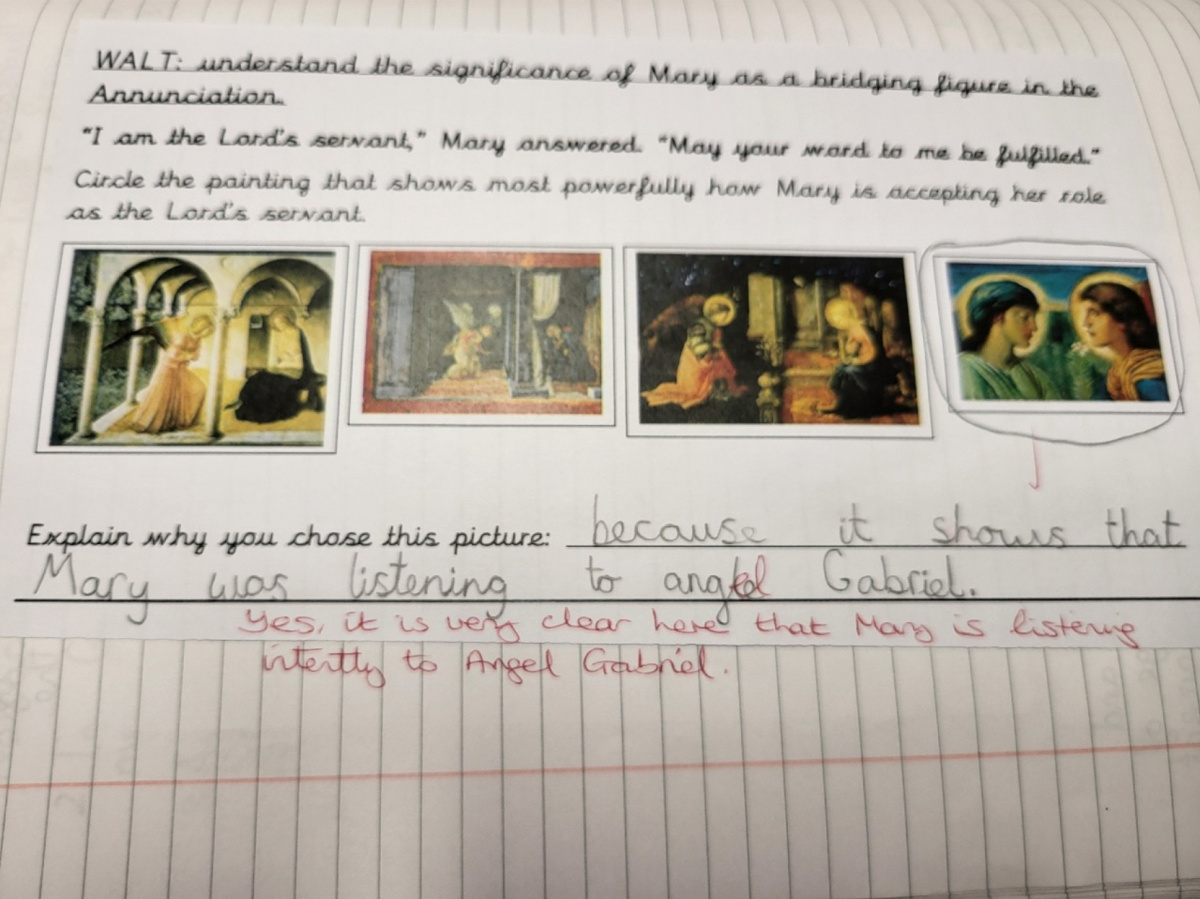
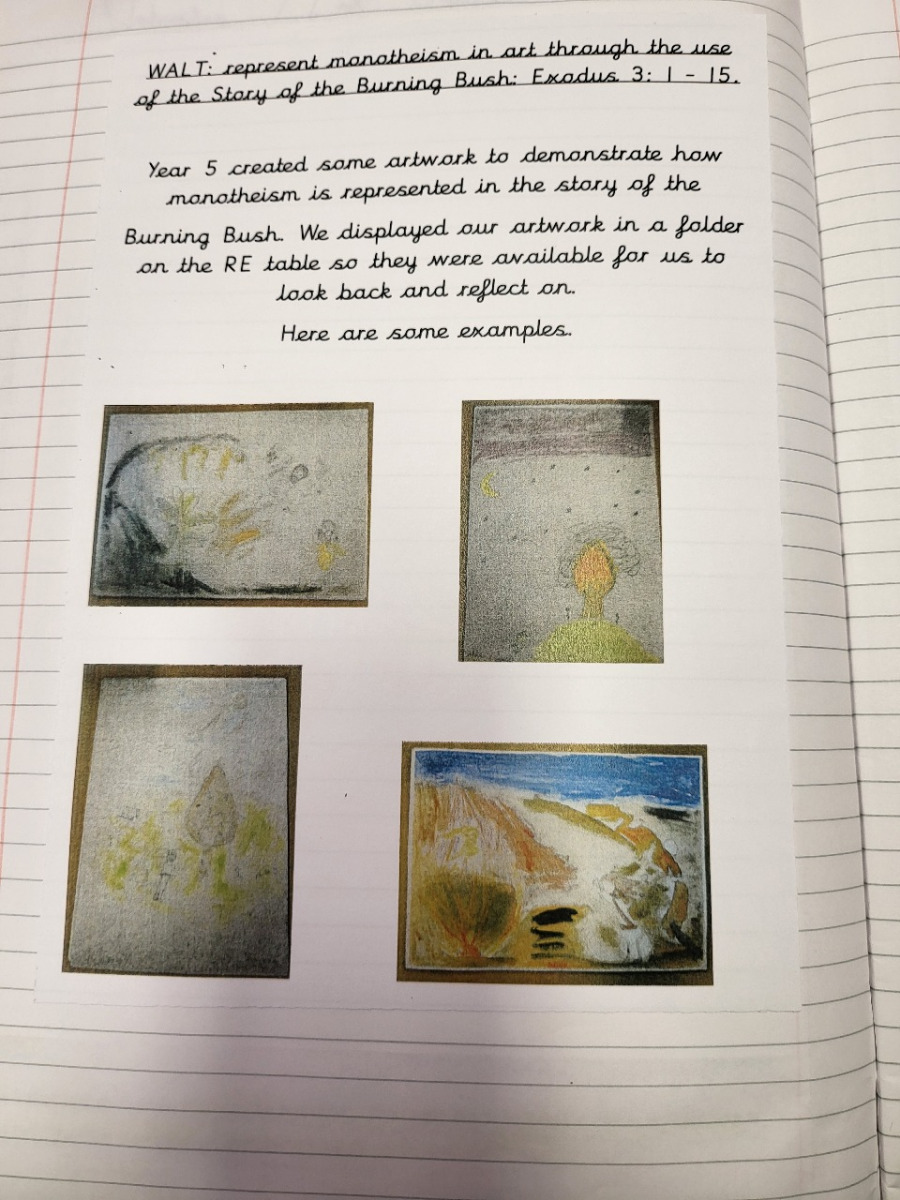
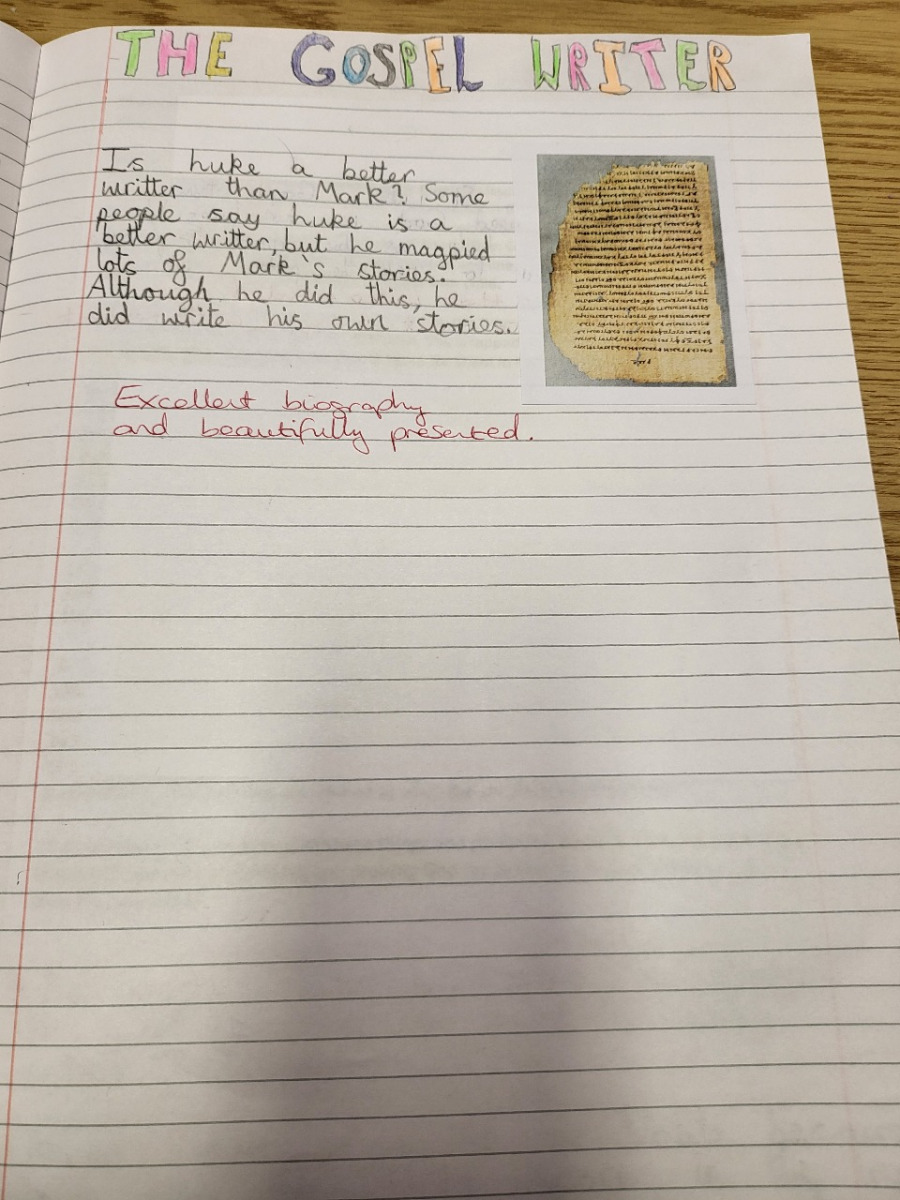
Year 4


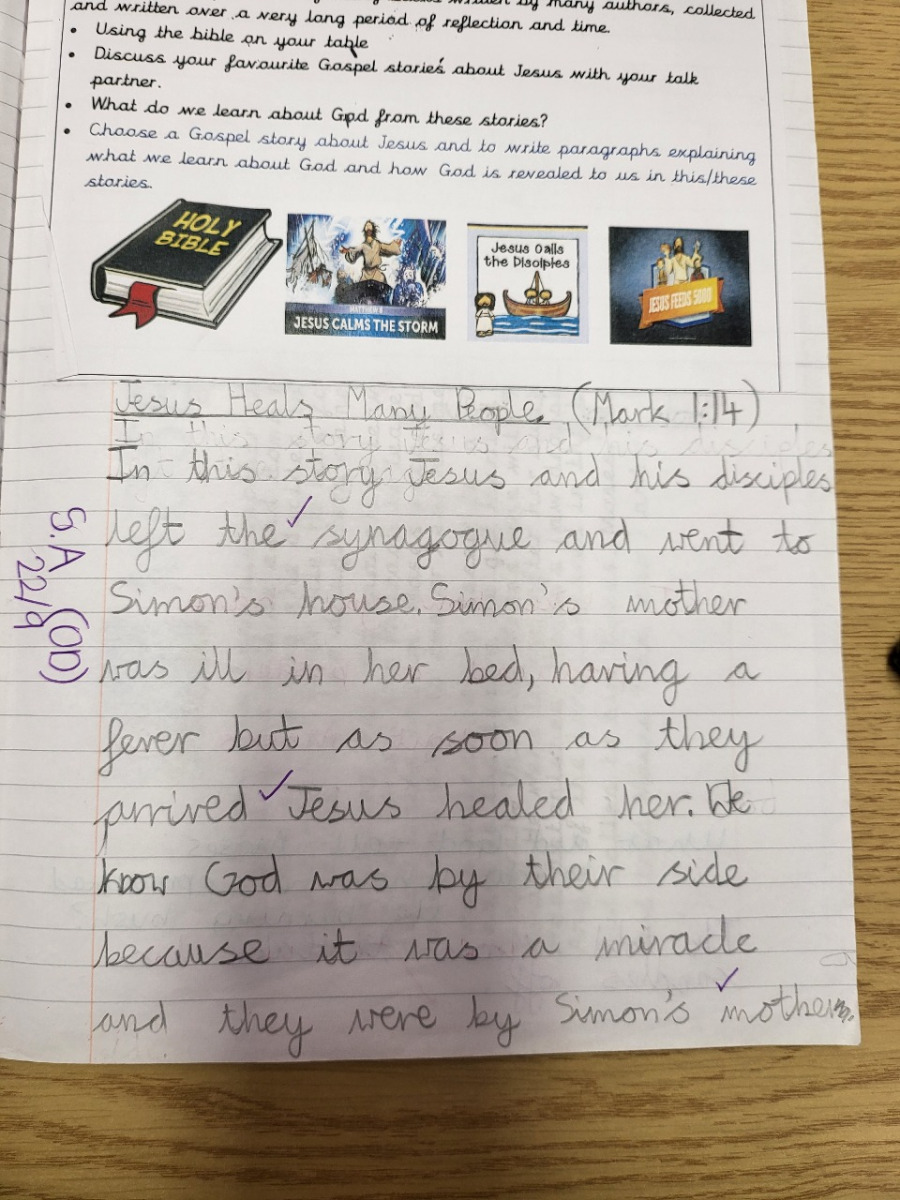
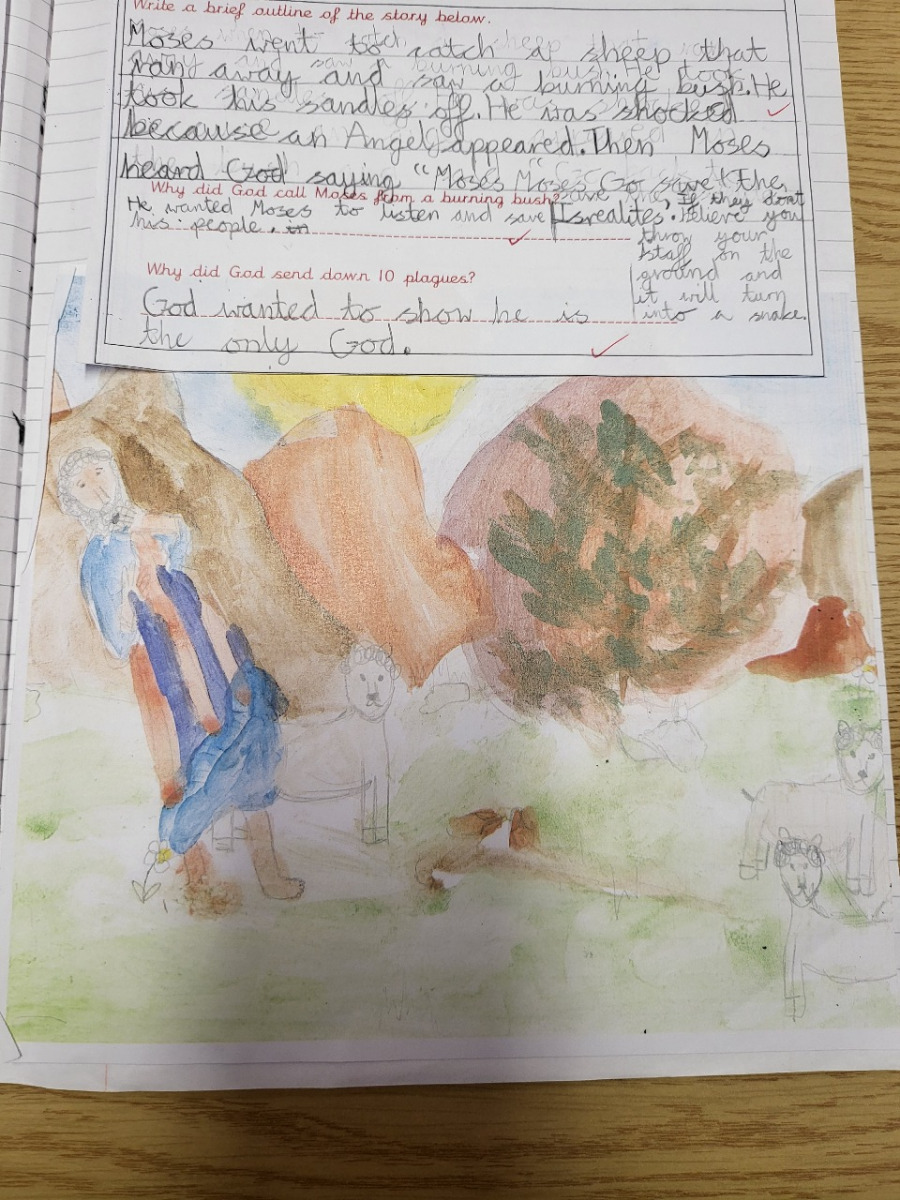
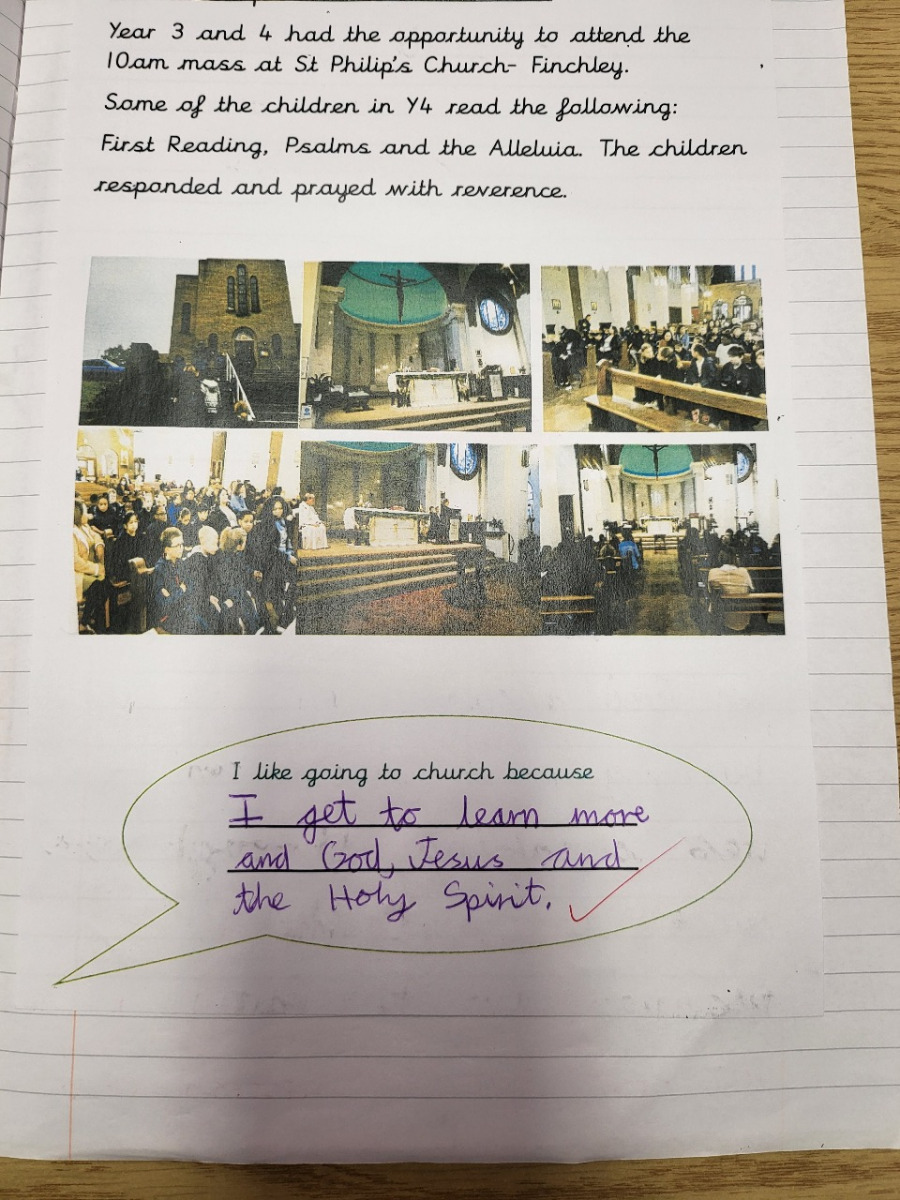
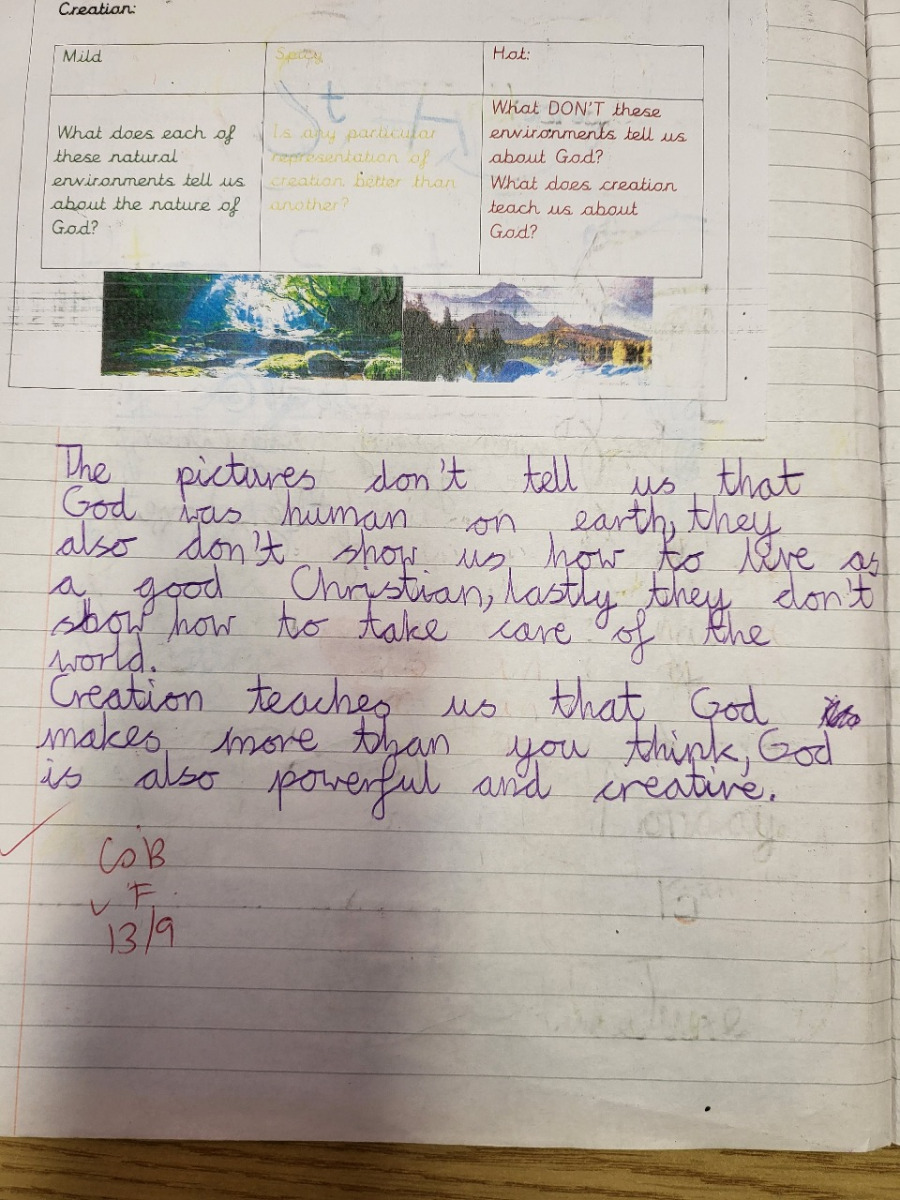
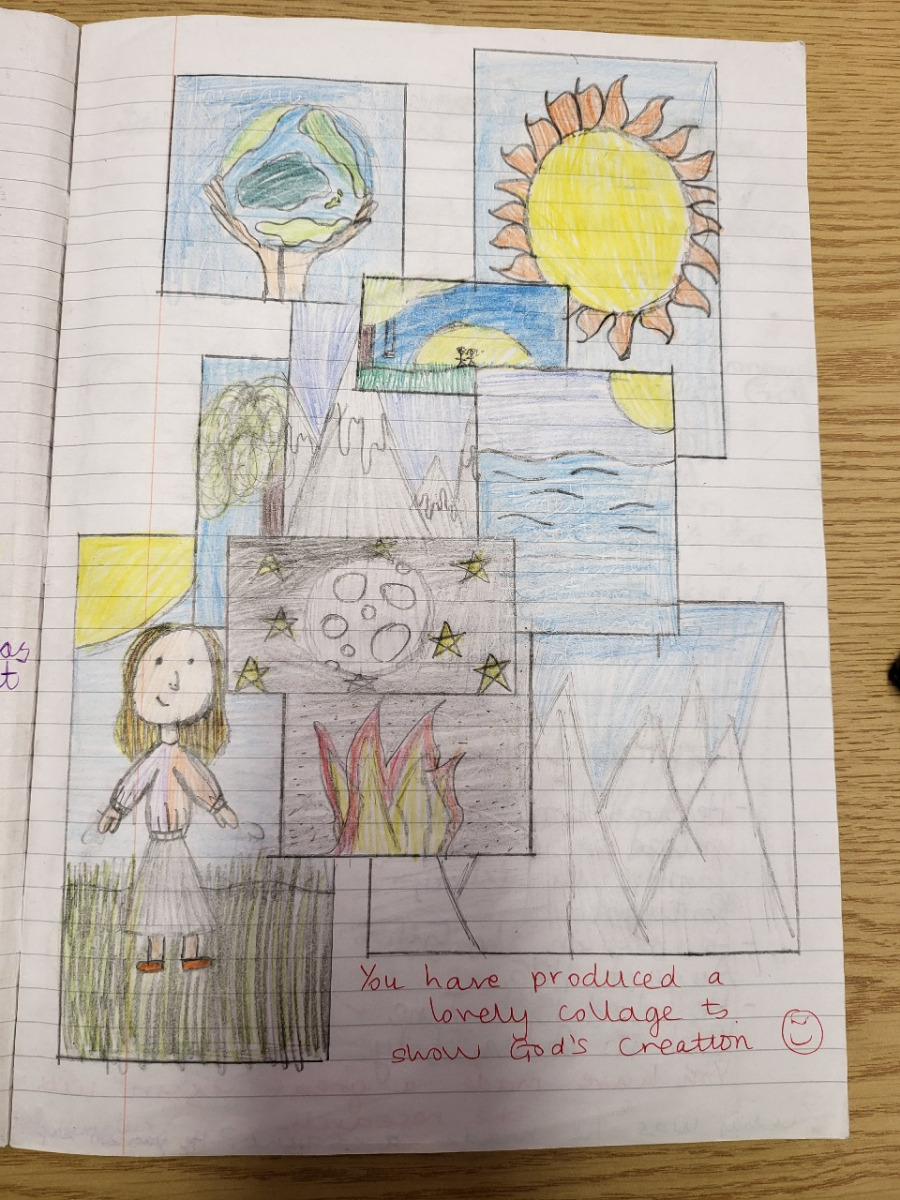

Year 3
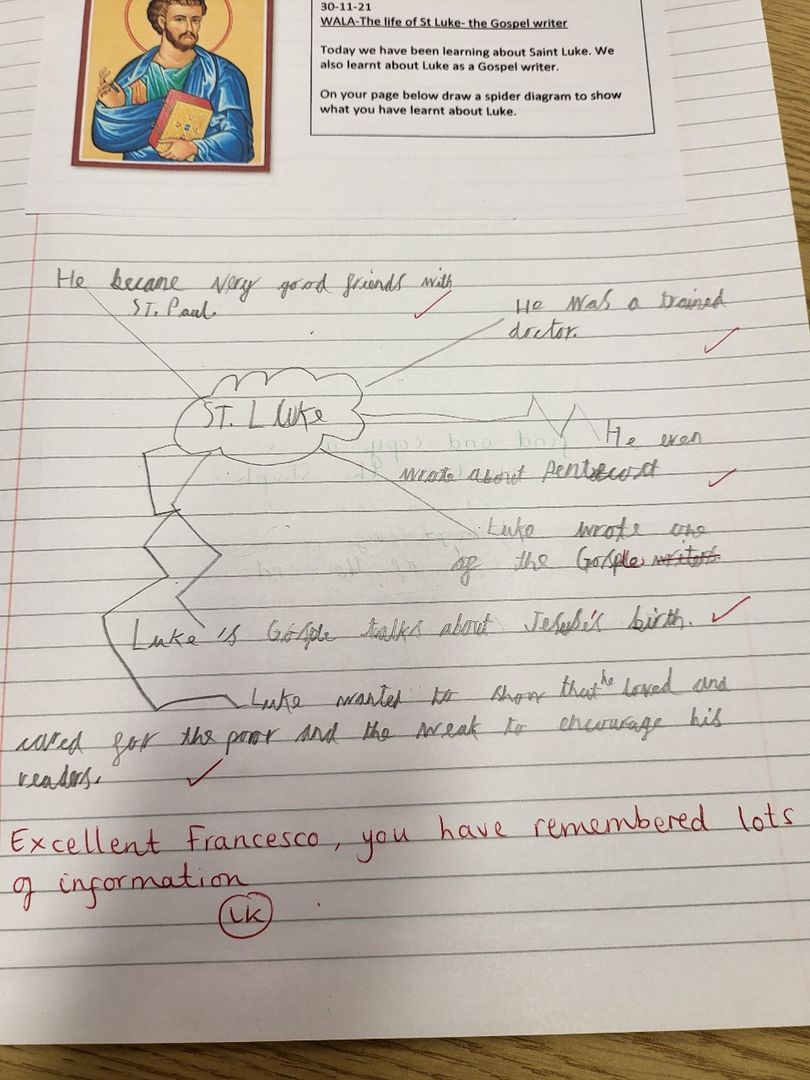
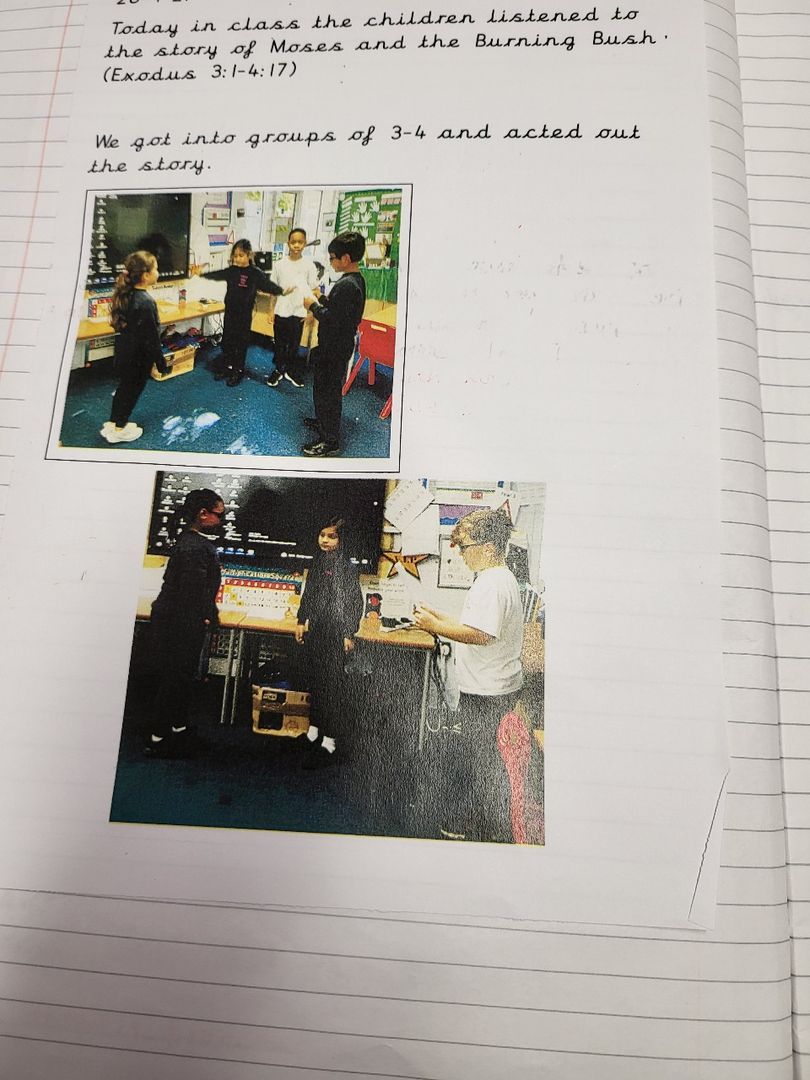

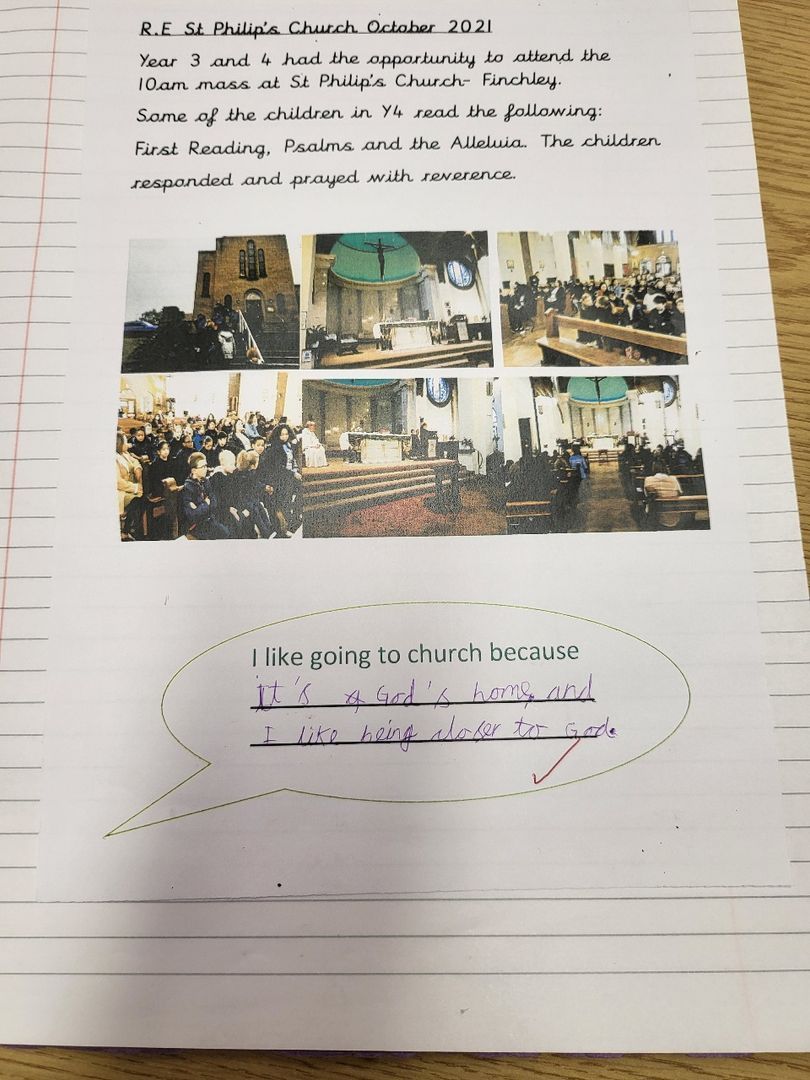
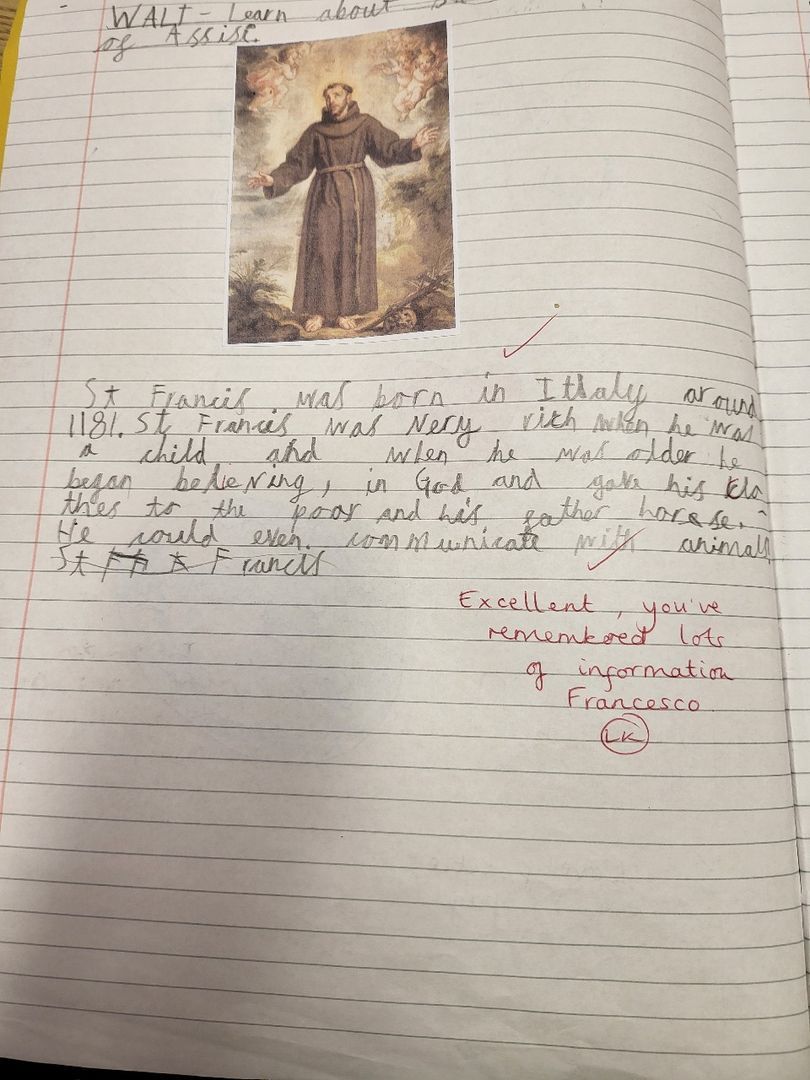
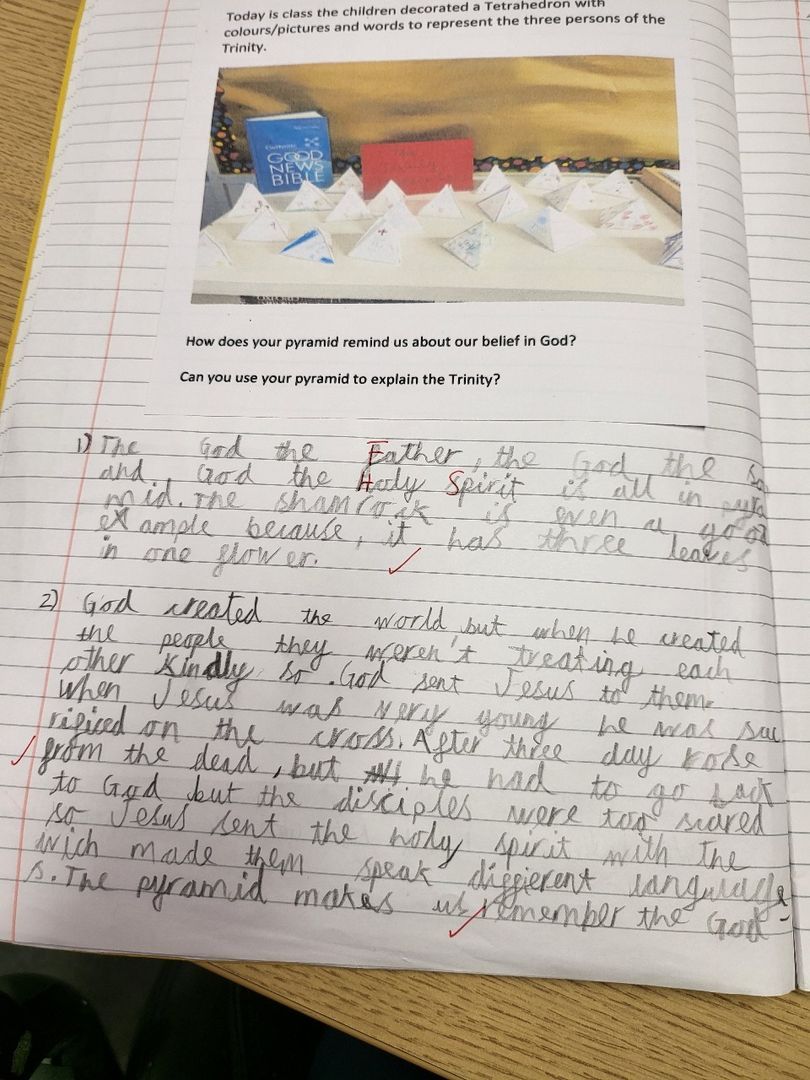
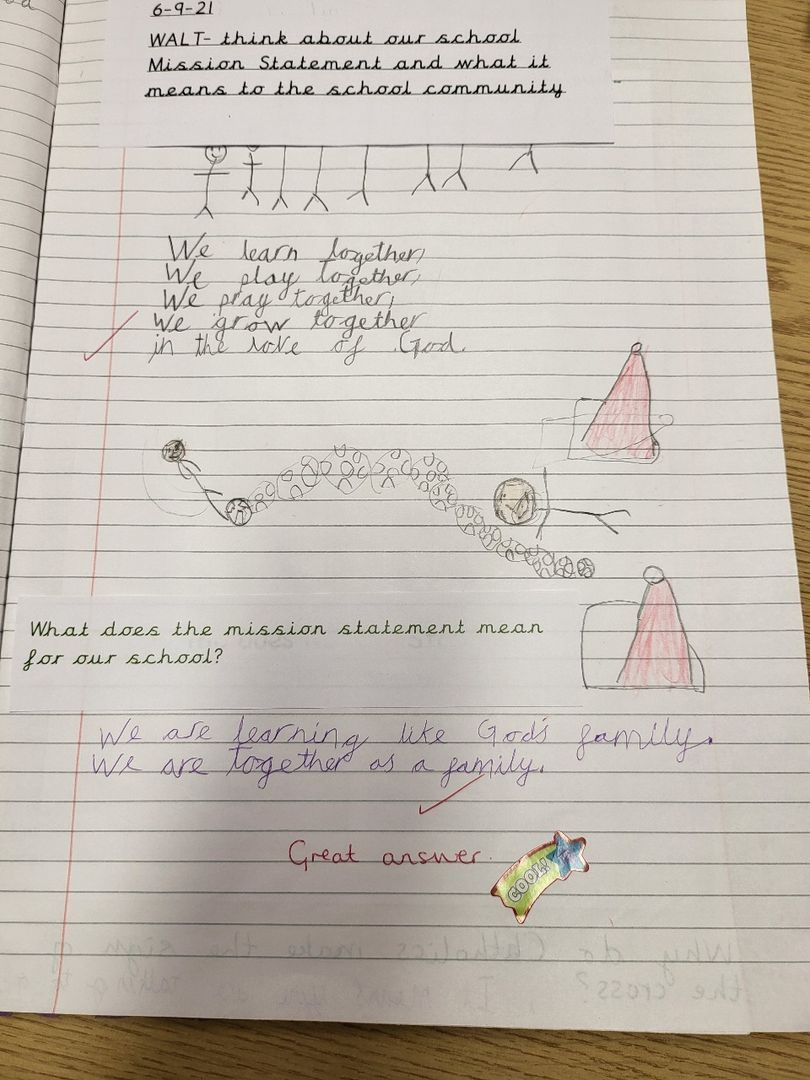
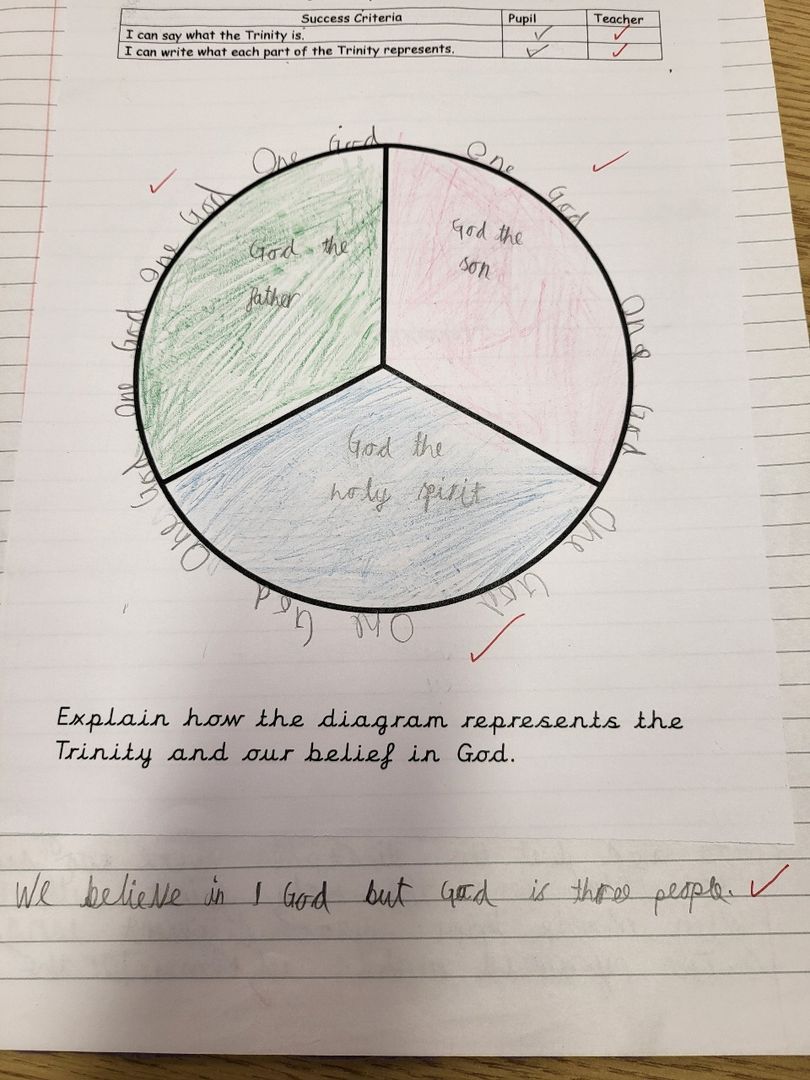
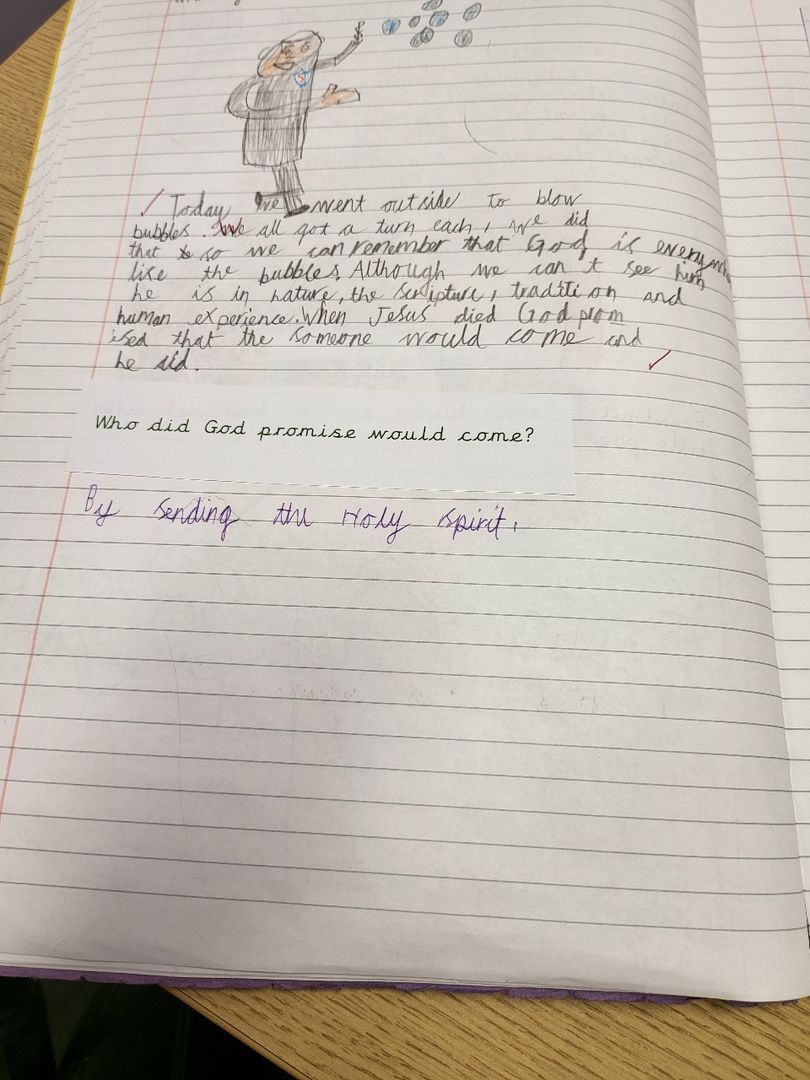
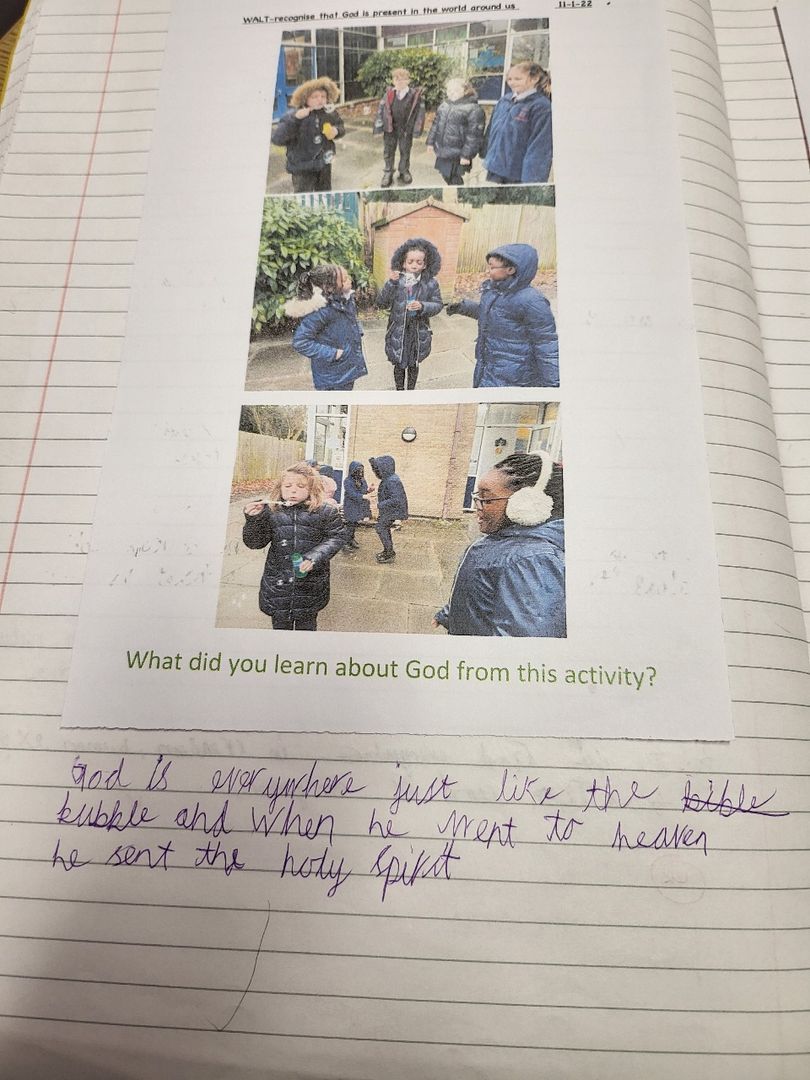
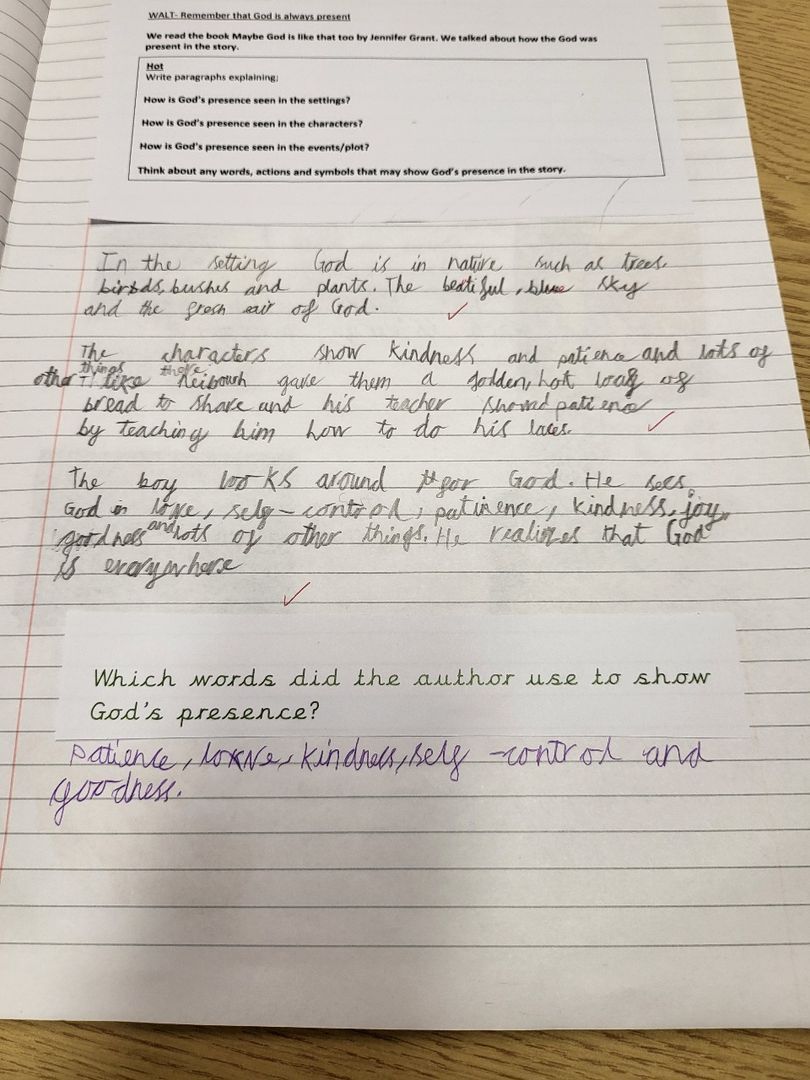
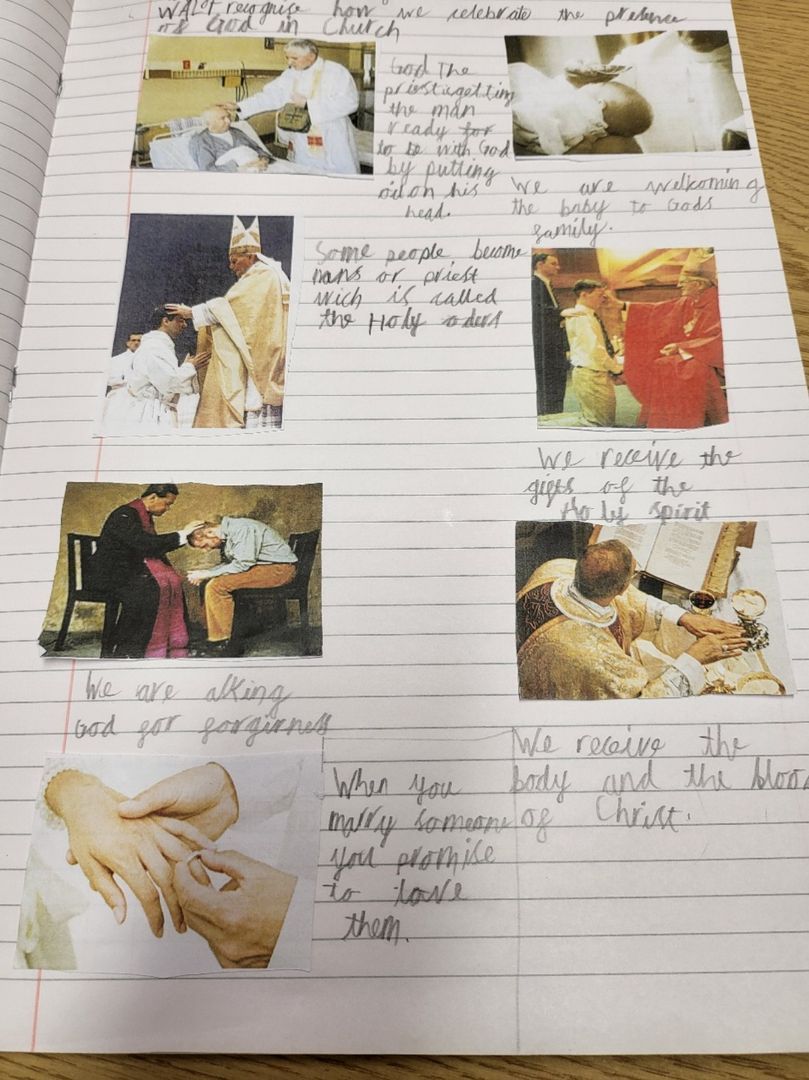
Year 2
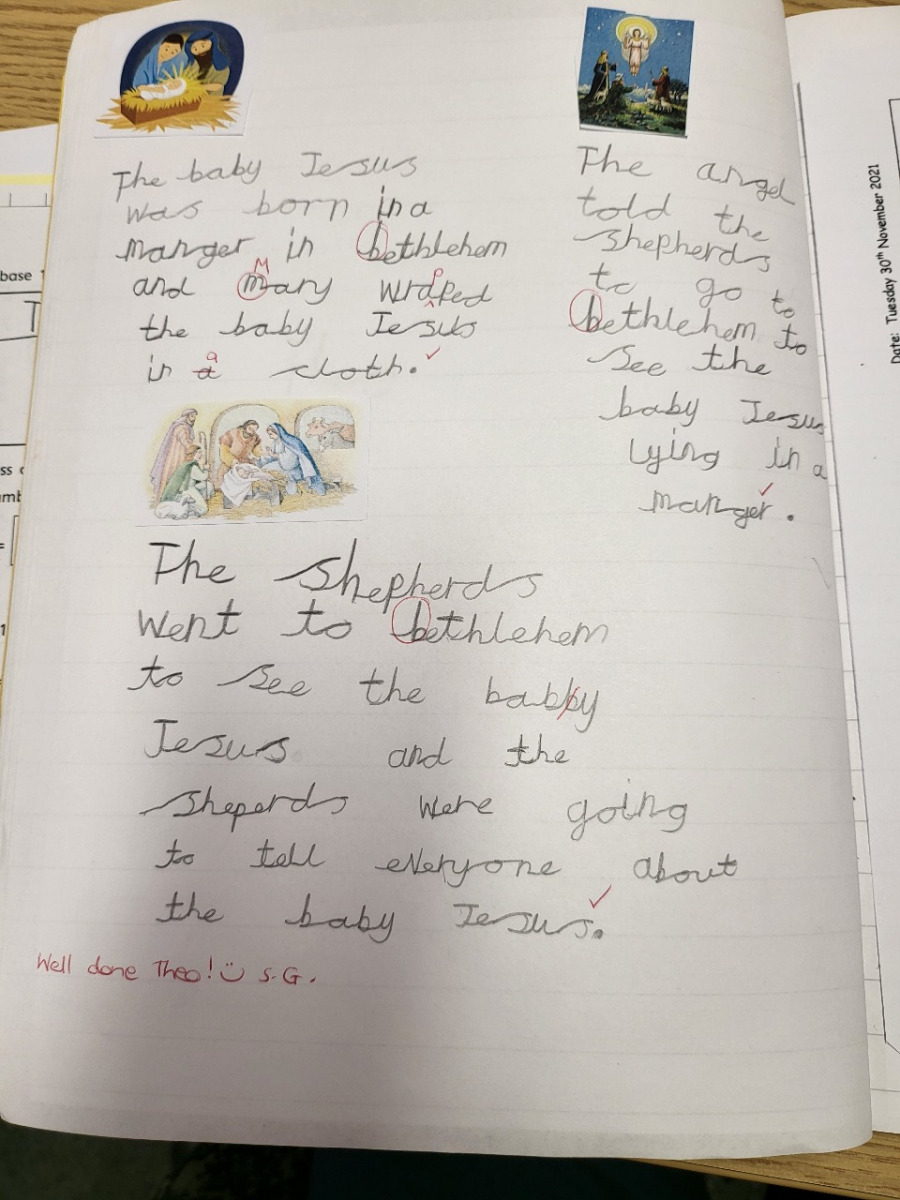
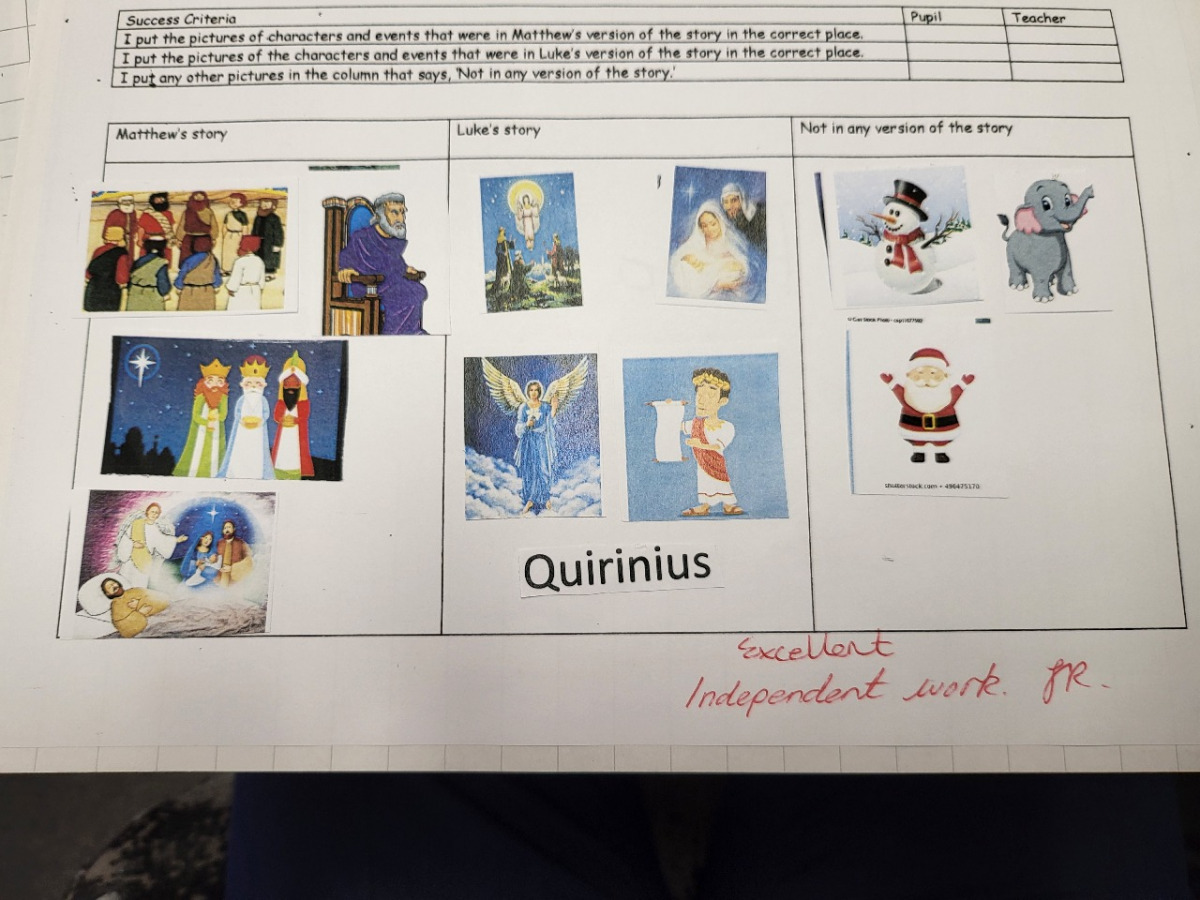
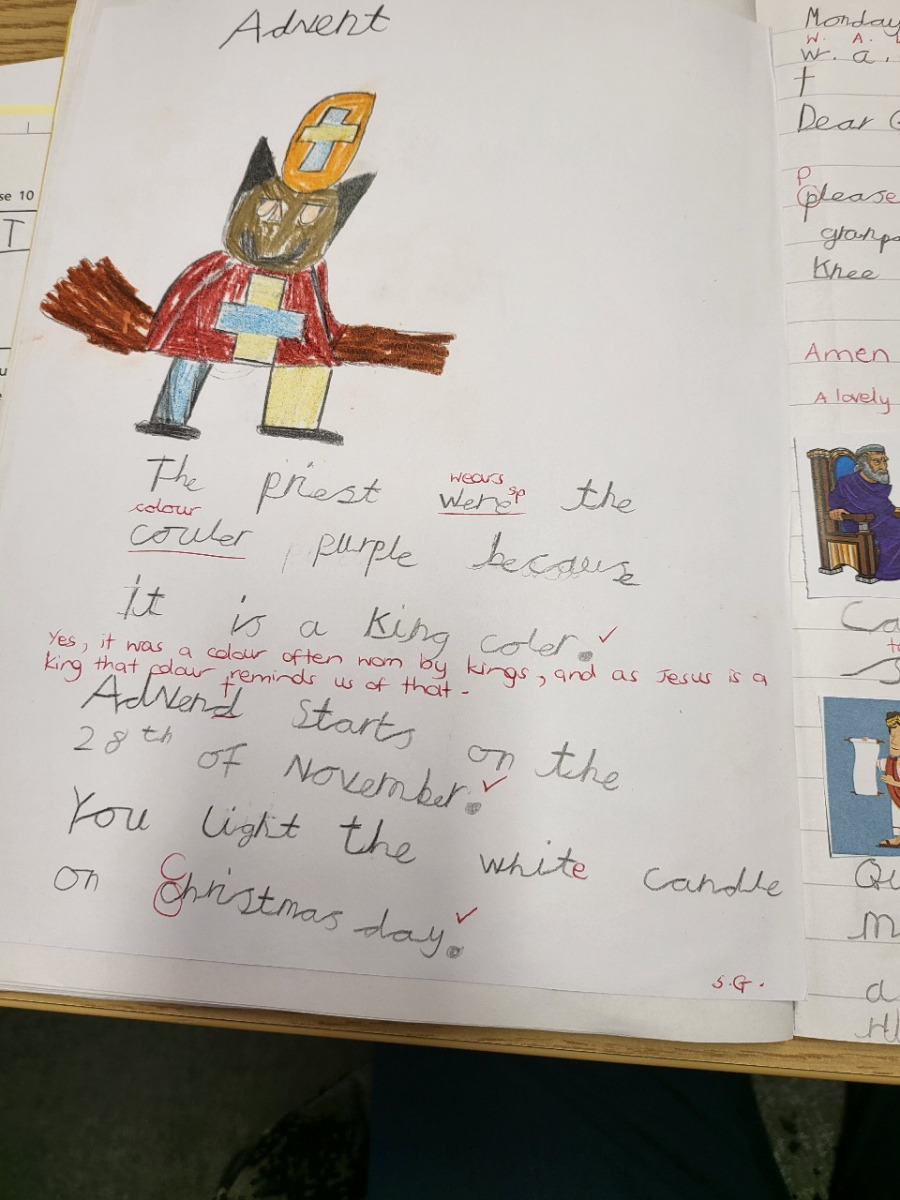
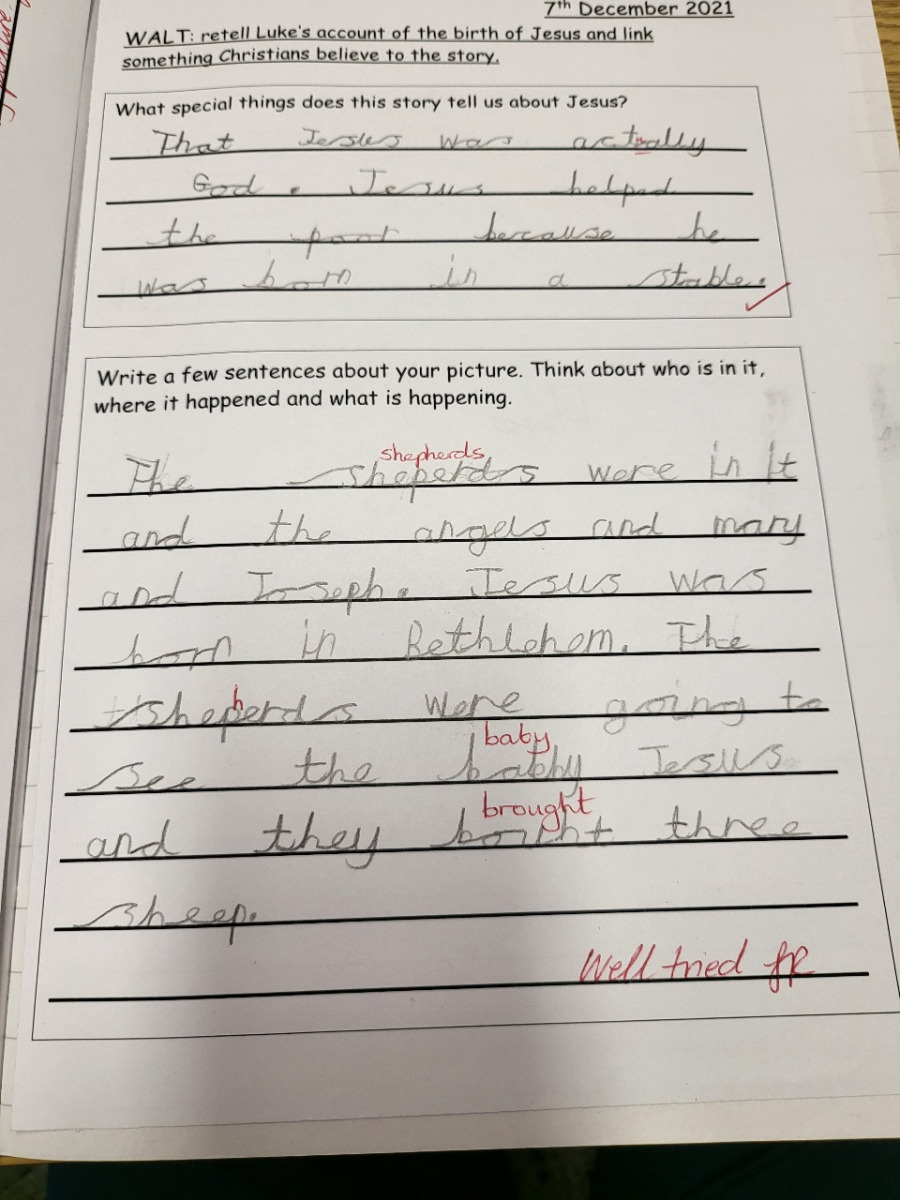
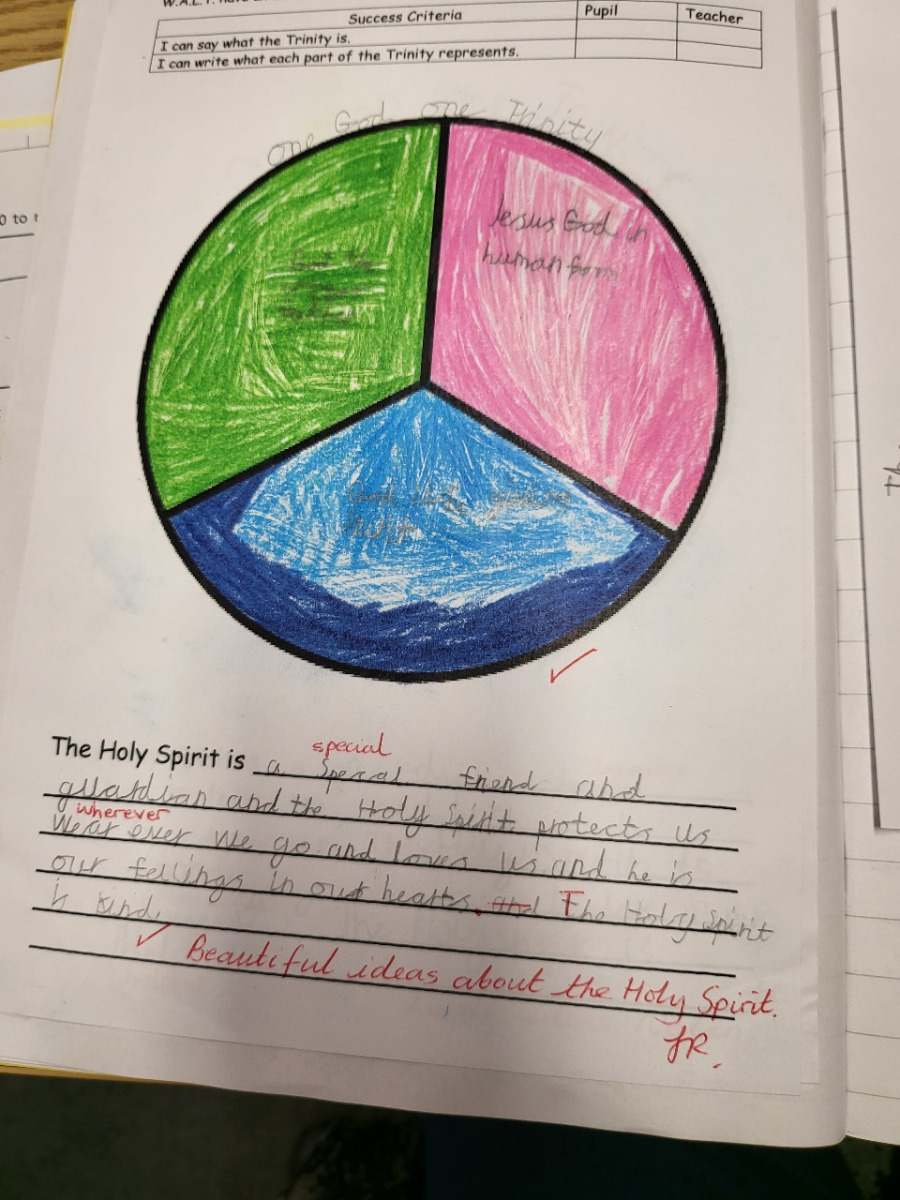

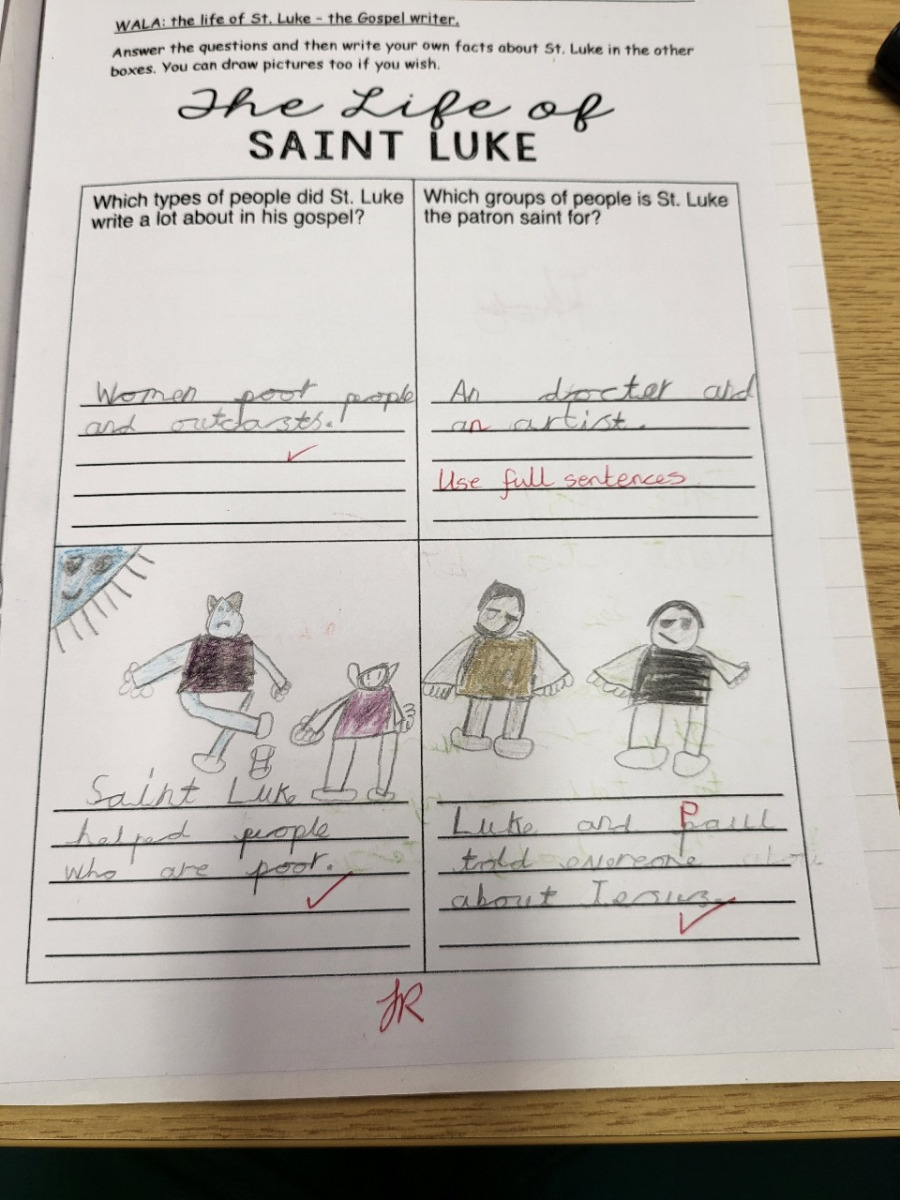
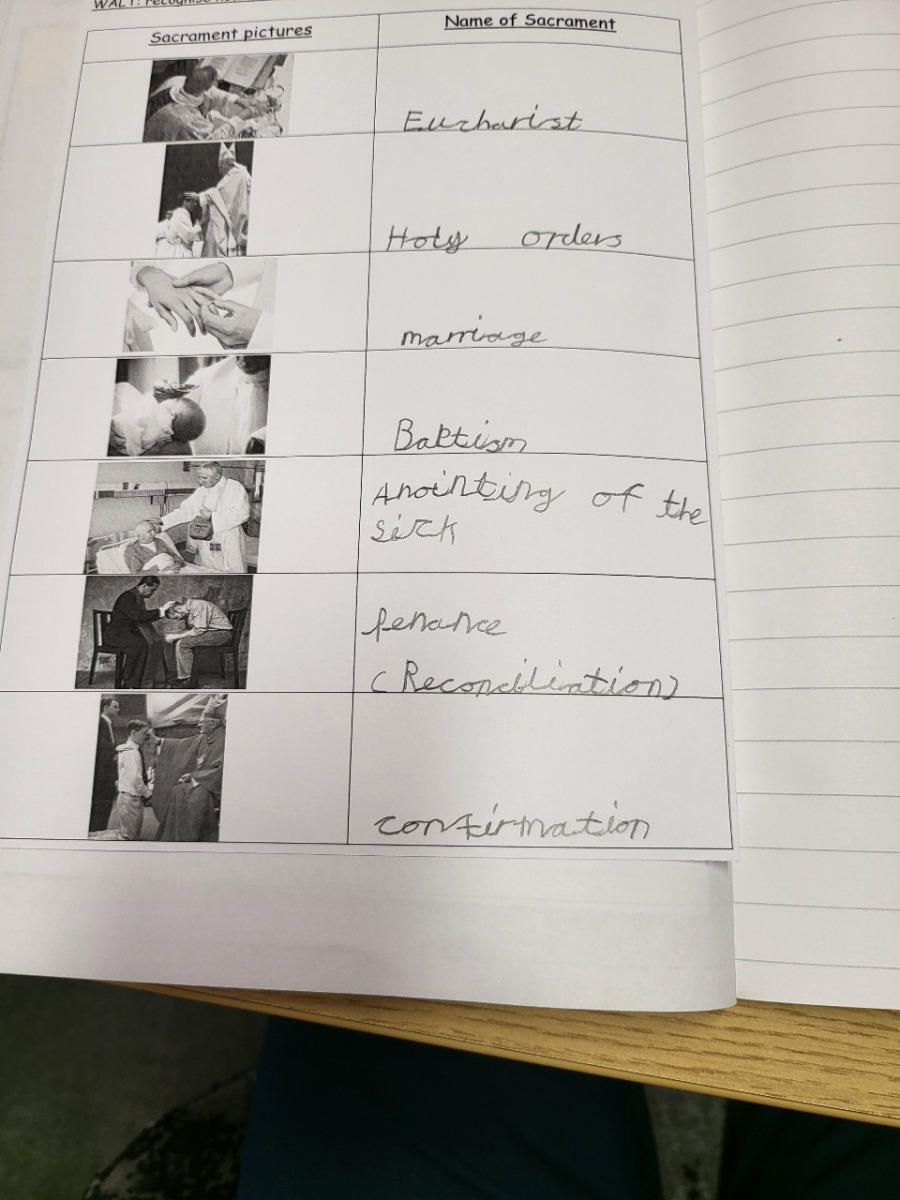
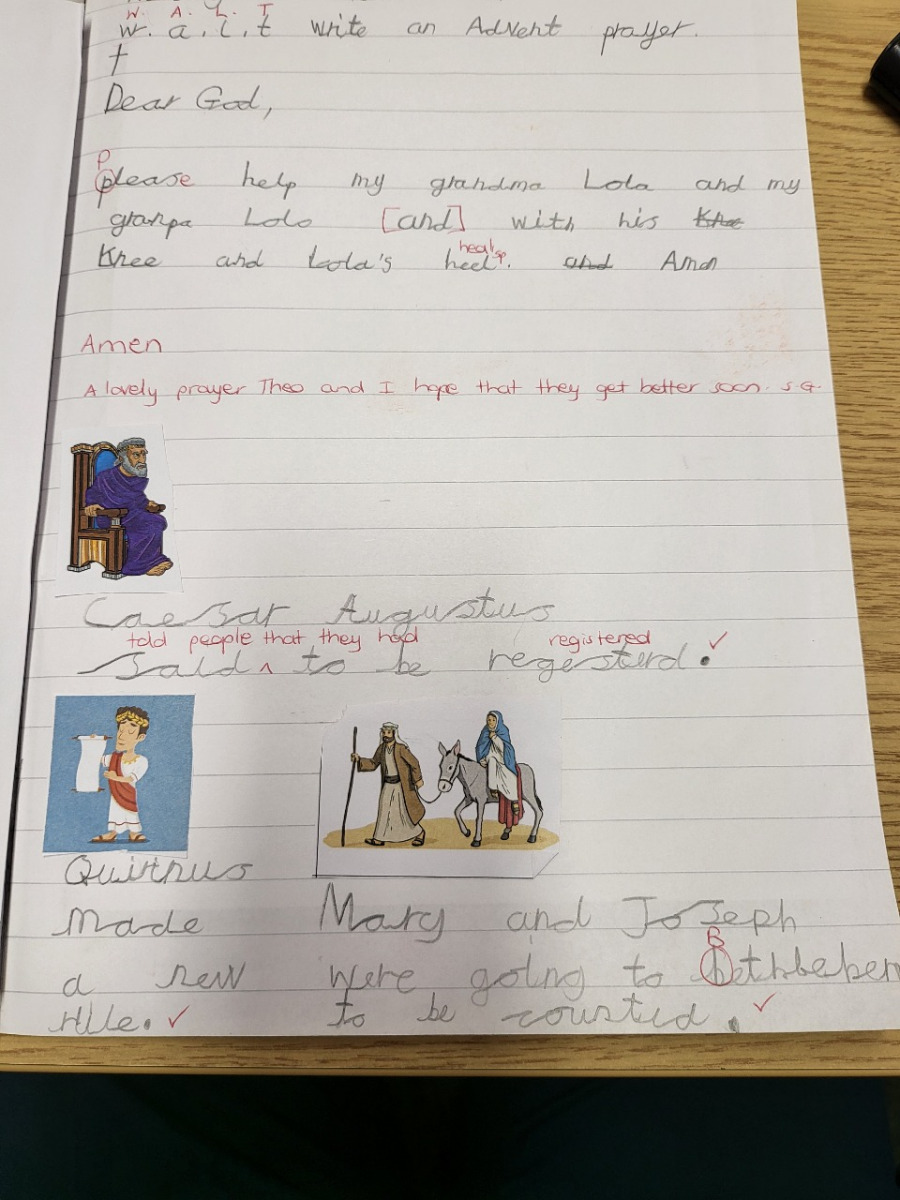
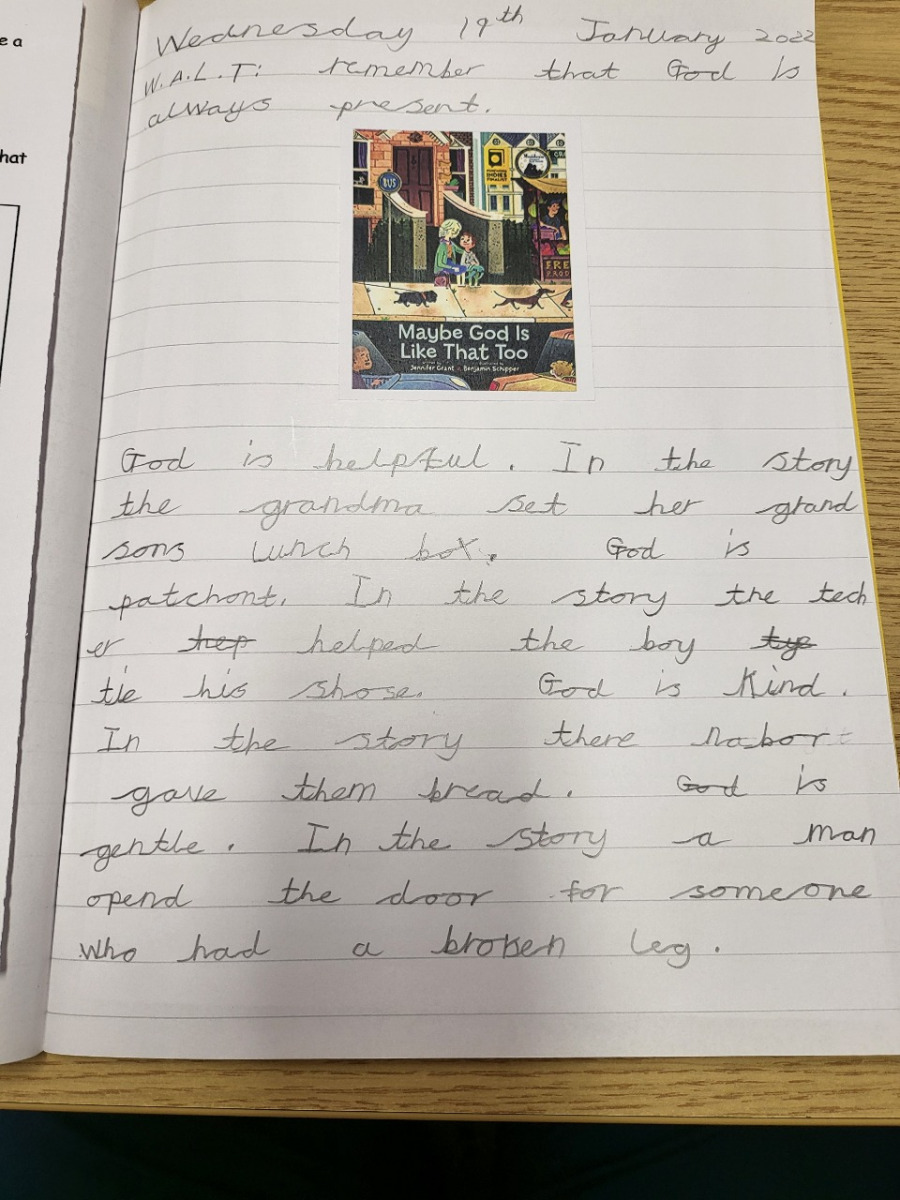
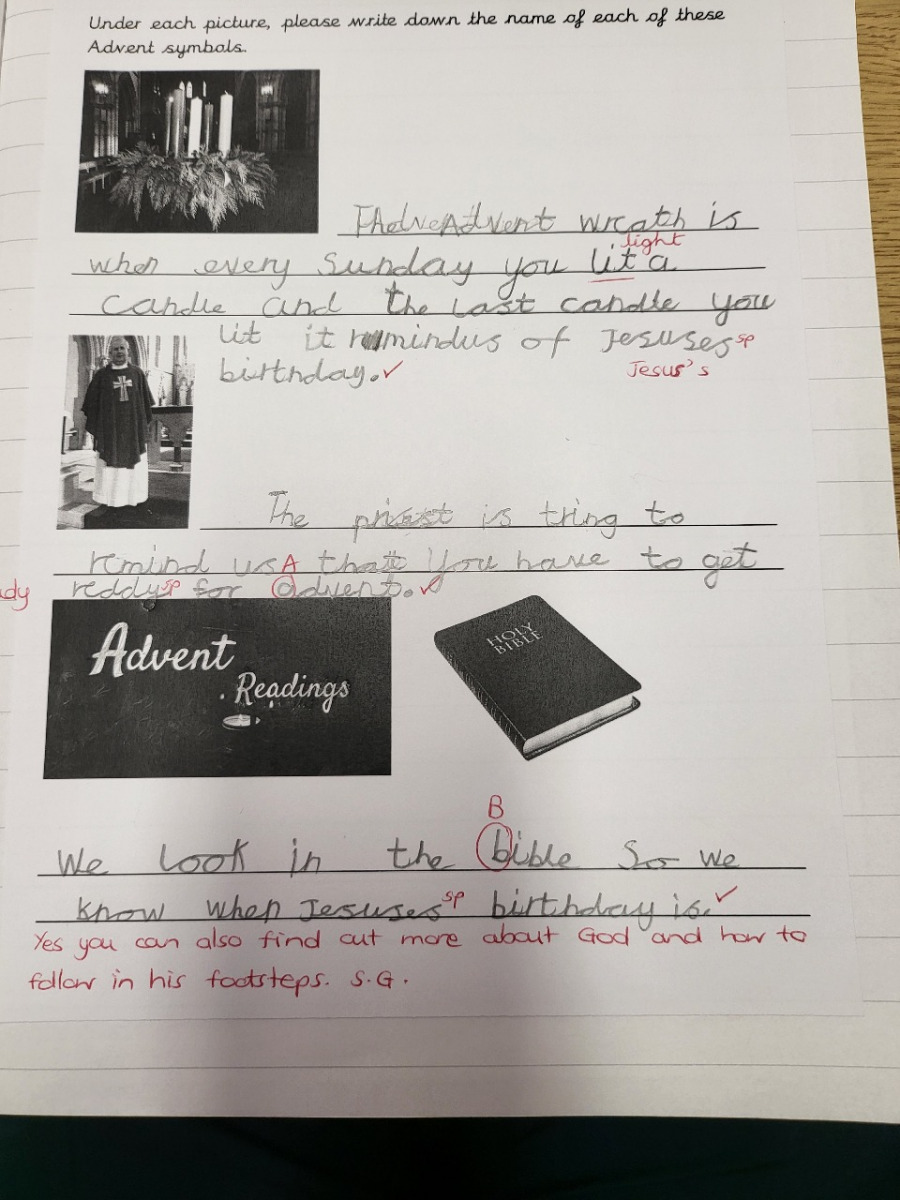
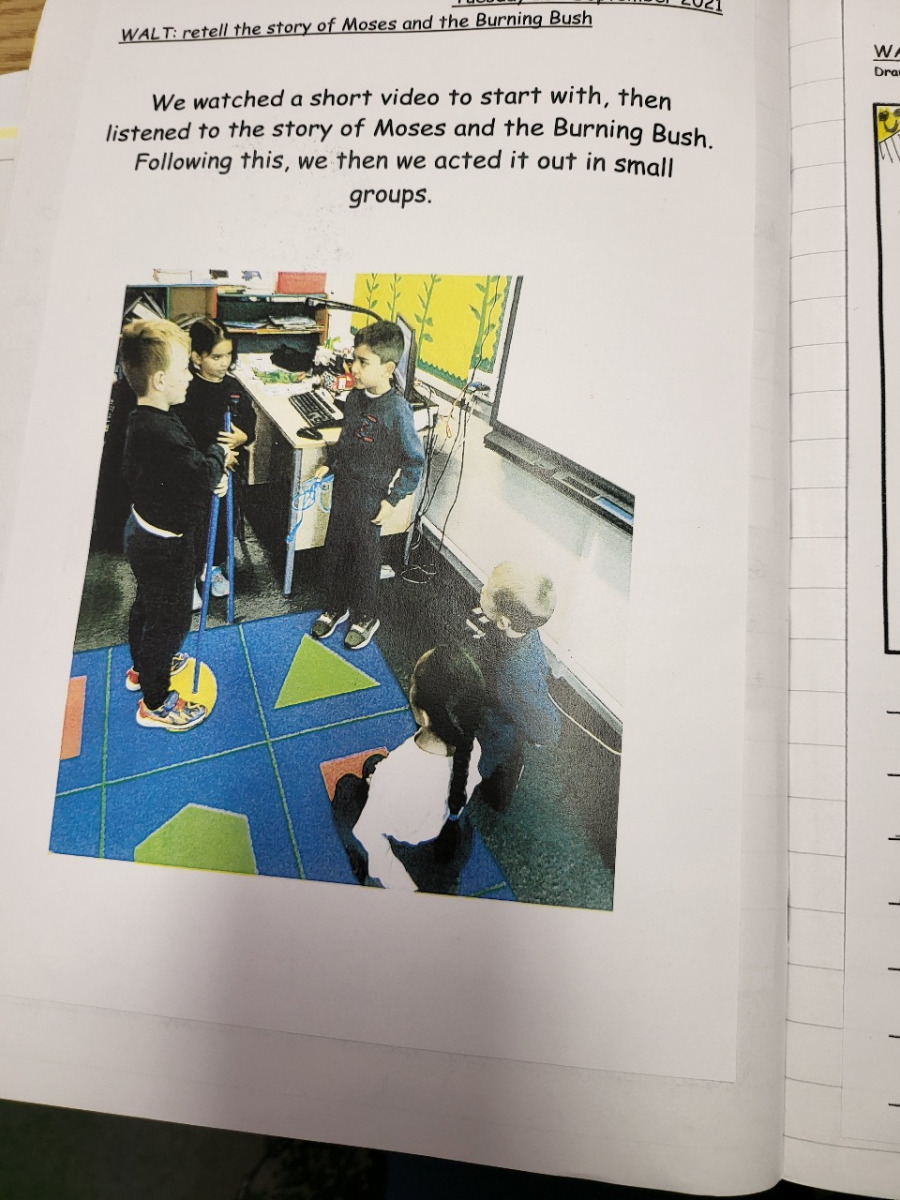
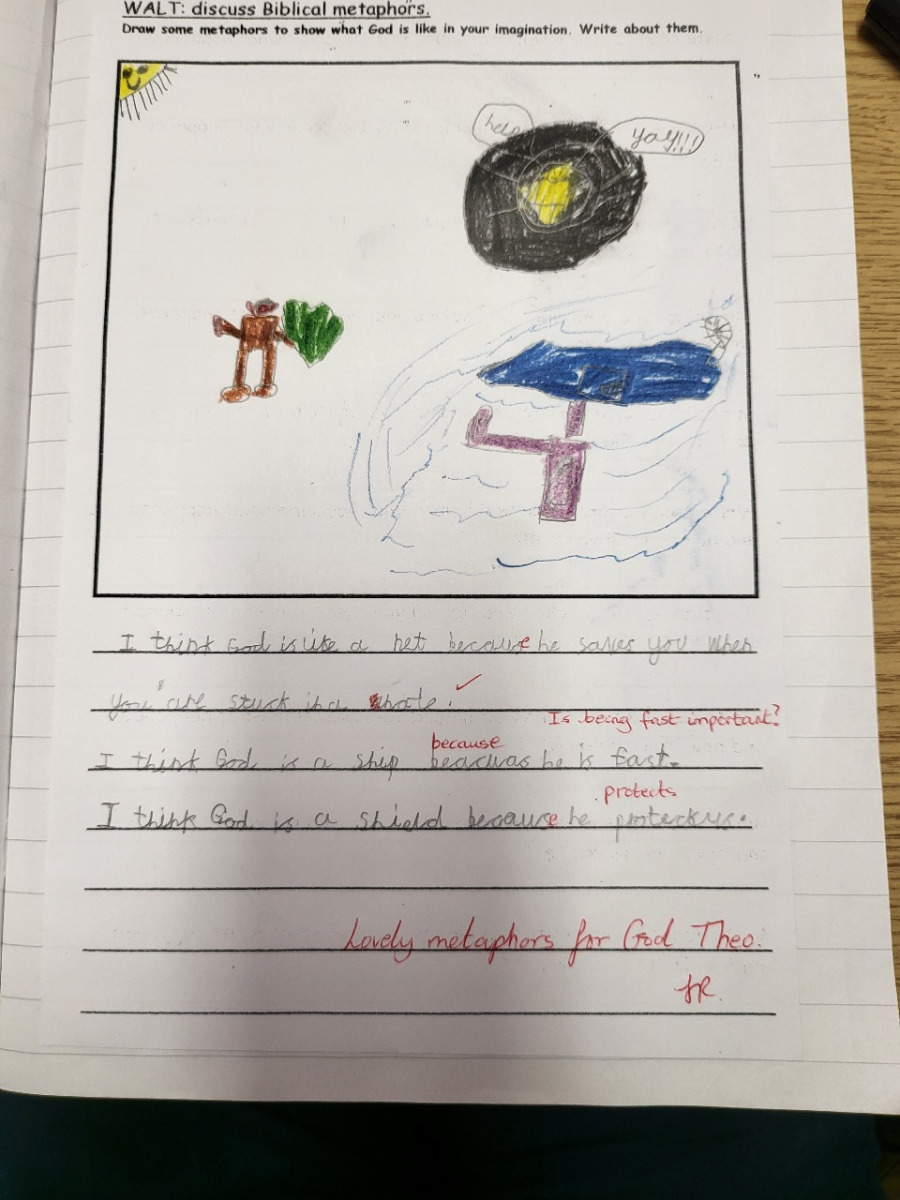
Year 1